How To Choose Brush For Rolling Mills

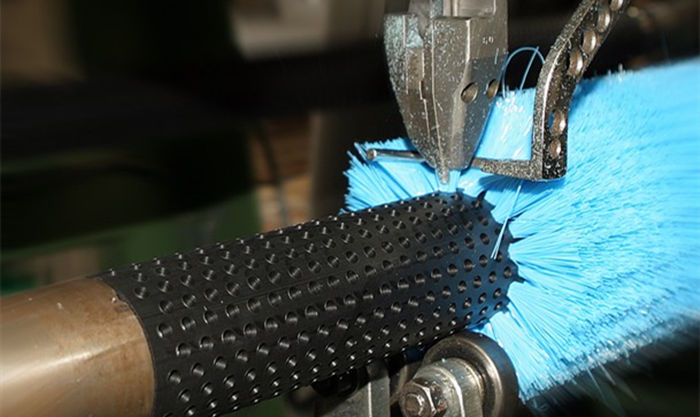
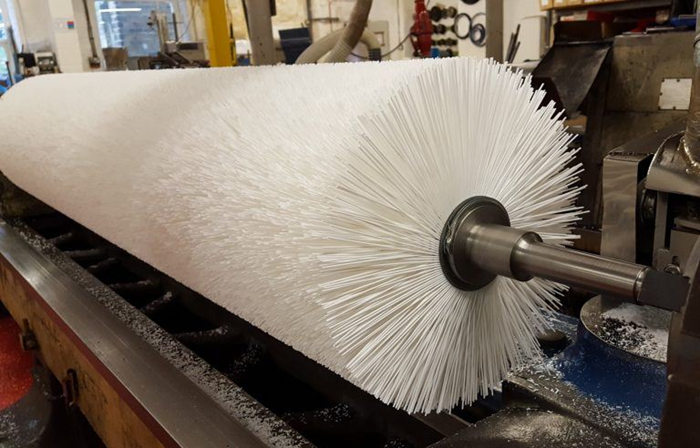
In rolling mills, brush is necessary for metal surface treatment, such as cleaning, washing, polishing and deburring.

3 main factors that affect brush selection for rolling mills are filament material, brush construction and working condition.

1, Filament Material

  • Nylon Filament
    Hard nylon is for strong cleaning. On the contrary, soft nylon is needed during fine cleaning. Advantage for nylon filament is acid-resistant and heat-resistant
  • Abrasive Filament
    Abrasive filament is nylon(PA6, PA612) mixed with abrasive materials. Diameter is from 0.46 to 1.78mm, and grit sizes are from 60# to 1000#. Grit size is higher, polishing performance is finer.

Brush Construction

  • Brush Outer Diameter
    Outer diameter is bigger, workload can be heavier. This size can be adjusted to your machine size and rotating speed.
  • Filament Working Length
    This parameter  depend on brush life time and machine size
  • Adding Filament
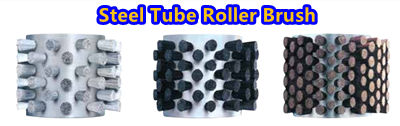
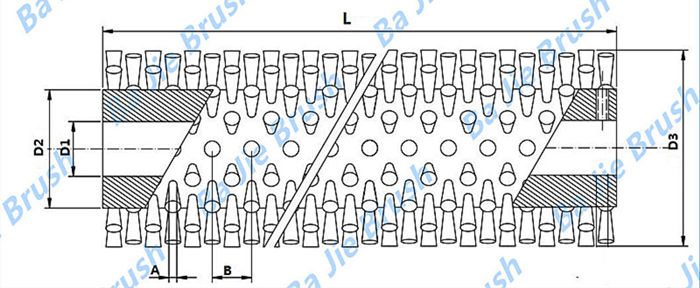
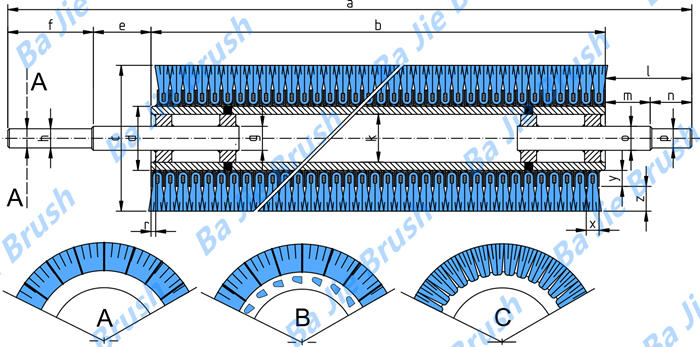
    There are two ways. One is cassette type, the other is spiral type. Brush is called as cassette roller brush and spiral roller brush

Working Condition

  • Rotating Speed(rpm)
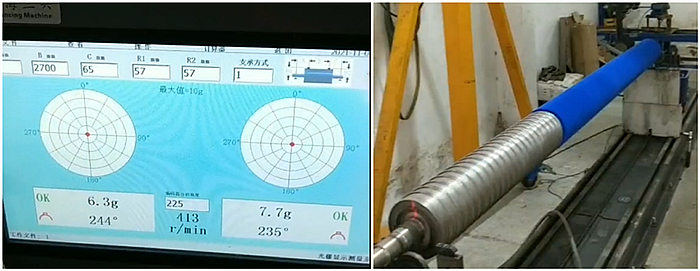
    When setting rotating speed, it is necessary to give a full play to cleaning performance and polishing performance
  • Pressure(A)
  • Spray On Brush
    When brush is contacted with metal surface, the temperature is keeping rising. Spray bring temperature reduction. Spray in right direction remove dirt and increase cleaning performance. No spray will largely reduce service life of brush for rolling mills

Revolutionizing Can Recycling The Paint Removal and Carbonization Process

Aluminum can recycling has taken a significant leap forward with the adoption of paint removal and carbonization technology. This innovative approach combines efficiency with environmental responsibility, offering a sustainable solution for metal recovery.


​How the Technology Works
The process begins with shredding used cans into fragments approximately 5cm in size. This uniform size ensures consistent heating in subsequent stages. The shredded material then undergoes cleaning to remove contaminants like oils and residues.

The cleaned fragments enter a continuous carbonization furnace where they're heated in an oxygen-free environment. Through thermal decomposition at controlled temperatures, the paint layers soften and break down into gas and carbon black, separating cleanly from the aluminum base. The furnace's rotating design ensures even heat distribution throughout the process.

After carbonization, the aluminum material goes through cooling and mechanical processing to remove any remaining carbon residues. The final output is pure aluminum ready for smelting. Notably, the combustible gases generated during pyrolysis are captured and reused to power the equipment, creating an energy-efficient closed-loop system.


​Key Advantages of the Process
The automated continuous operation allows for 24/7 processing with daily capacity reaching tens of tons—significantly outperforming traditional chemical paint removal methods. The system achieves over 98% paint removal efficiency with minimal human intervention.

From an environmental perspective, the process eliminates the need for harsh chemicals, preventing contamination from acid or alkaline wastewater. Emissions are effectively treated through purification systems like activated carbon adsorption, meeting stringent air pollution standards.

The economic benefits are equally impressive. The resulting aluminum boasts higher purity levels, achieving recovery rates exceeding 95% when converted to recycled aluminum ingots. This creates substantial economic value while supporting circular economy goals.


​Market Outlook and Applications
Growing environmental regulations, including China's Solid Waste Pollution Prevention Law, are driving adoption of cleaner technologies like carbonization. The process's environmentally friendly characteristics facilitate compliance with environmental impact assessment requirements.

The technology also enables complete resource utilization. By-products such as carbon black can be repurposed as rubber fillers or soil conditioners, creating additional value streams while minimizing waste.

This advanced approach to can recycling represents a significant step toward sustainable manufacturing. By transforming waste into high-quality materials, it demonstrates how technological innovation can drive both environmental protection and economic growth.

Why Continuous Decarbonizing Furnaces Are Replacing Chemical Paint Strippers

In metal recycling and refurbishment, removing paint and coatings from surfaces is a crucial step. For decades, chemical strippers were the default solution. Today, however, continuous decoating furnaces are rapidly becoming the preferred choice, offering a superior blend of efficiency, safety, and sustainability.

So, what makes this technology so much better? Here’s a straightforward look at its key advantages over traditional chemical methods.


1. Unmatched Efficiency and Continuous Operation​

Imagine an assembly line for cleaning metal. That's essentially what a continuous decoating furnace is. Unlike batch processes, it operates non-stop, feeding metal parts through different zones for heating, processing, and cooling.

This continuous workflow translates to vastly higher throughput. Whether the items have thin or thick paint layers, the furnace parameters—like temperature and processing speed—can be easily adjusted to achieve a perfect, clean strip. This flexibility makes it ideal for handling a wide variety of metal parts efficiently, saving significant time and labor.


2. A Clear Win for Safety and the Environment​

This is perhaps the most significant advantage. Chemical paint strippers often contain harsh, toxic substances that pose risks to worker health and the environment. Safe handling requires strict protective measures, and the disposal of used chemicals creates hazardous waste.

The decoating furnace eliminates this problem entirely. It uses high temperatures in a controlled, oxygen-free environment to break down paint into gas and a small amount of solid residue. It's a purely physical process—no toxic chemicals are needed. This means no dangerous fumes for workers, no risk of chemical spills, and no toxic wastewater to treat. It’s a much cleaner and safer solution for everyone.

3. Simple Operation and Easy Maintenance​

Managing chemical strippers is complex. It requires careful monitoring, storage, and handling procedures to prevent accidents. In contrast, continuous decoating furnaces are designed for simplicity. Modern units are equipped with automated control systems that manage the entire process—temperature, conveyor speed, and atmosphere are all precisely controlled from a panel.

This automation reduces the potential for human error and minimizes the need for specialized operator intervention. Maintenance is also straightforward, typically involving regular inspections and basic servicing to ensure long-term, reliable performance.


4. Handles Almost Any Metal Part​

Versatility is a major strength. These furnaces can be adapted to process metal parts of various shapes and sizes, from small components to large structural pieces. By fine-tuning the equipment settings, different materials and coating types can be effectively treated. This broad adaptability makes the technology useful across many industries, including automotive manufacturing, aerospace, metal recycling, and general metalworking.


5. Energy Efficient and Cost-Effective​

While heating a furnace requires energy, modern continuous designs are built for efficiency. Advanced insulation and heat recovery systems capture and reuse heat within the furnace, significantly reducing energy consumption. Furthermore, the combustible gases produced during the paint removal process can often be captured and used to fuel the system, creating an energy-saving loop.

Over time, these efficiencies lead to lower operating costs compared to the recurring expense of purchasing and disposing of chemical strippers.


The shift from chemical paint strippers to continuous decoating furnaces represents a major step forward for industry. With their superior efficiency, enhanced safety profile, environmental benefits, and operational simplicity, these furnaces are not just an alternative—they are a clear upgrade. They align perfectly with the goals of modern, sustainable manufacturing, helping businesses work smarter, safer, and greener.

A Practical Guide to Choosing the Right Industrial Tire Shredder

Selecting an industrial tire shredder is a major investment that forms the foundation of a profitable recycling operation. The right machine can bring long-term success, while the wrong choice may lead to constant downtime and high maintenance costs. This guide simplifies the decision-making process by breaking it down into seven key factors you should consider.


1. Processing Capacity (Throughput)​
Start by evaluating your actual needs. How many tons of tires do you need to process per hour? Be realistic about your current volume and allow for future growth. A small operation might start with a machine handling 2 tons per hour, while larger facilities may require equipment capable of processing 15-20 tons per hour. Choose a supplier that offers multiple models to match your specific needs without paying for unnecessary capacity.


​2. Tire Types and Feed Size
Not all tires are the same. Are you processing passenger car tires (typically under 900mm) or larger truck tires (up to 1200mm)? The shredder's feed opening must be large enough to handle your largest tires without pre-cutting. A versatile industrial tire shredder should handle both car and truck tires with ease.


​3. Required Output Size
Your final product determines your profit. The size of the rubber chips is determined by the blade width. Most TDF (Tire Derived Fuel) buyers require chips between 50mm and 100mm. Confirm the exact specifications with your buyers beforehand. Reputable equipment manufacturers can configure their machines to produce specific sizes within this range, ensuring your output meets market requirements.


​4. Power and Motor Quality
The motor is the heart of your shredder. While power (kW) is crucial, it must match the machine's capacity. A 2-ton per hour machine might need about 65 kW, while a 15-ton per hour unit could require over 300 kW. More importantly, inquire about the motor brand. Reliable motors from established brands ensure better performance, higher efficiency, and longer service life, reducing the risk of unexpected breakdowns.


​5. Blade Material and Design
Blades represent the core of your shredder and your main operating cost. Don't compromise on blade quality. Ask specific questions about the material composition. Are they made from basic steel or more durable alloy steel? High-quality alloy blades offer better wear resistance, staying sharper longer and requiring less frequent replacements. Also consider blade thickness - thicker blades (50mm to 100mm) generally provide more strength for heavy-duty applications.


reliable industrial tire shredder


​6. True Budget (Total Cost)​
Look beyond the initial price tag. A cheaper machine may cost more in the long run. Consider the Total Cost of Ownership (TCO), which includes the purchase price, energy consumption, maintenance costs (blade replacement, lubrication), and the machine's weight (which often reflects steel content and build quality). A heavier machine typically offers better stability and durability. An efficient, reliable industrial tire shredder may have a higher upfront cost but can save you money over its lifespan.


​7. After-Sales Service and Support
When your machine stops, your business stops. Does the manufacturer offer good support? Ask these crucial questions: How long is the warranty? Are spare parts (especially blades) readily available? Is technical support available when problems occur? Choose a partner, not just a supplier. Good support is essential for critical industrial equipment.

By carefully considering these seven factors, you can make an informed decision that will serve your business for years to come. Remember that the cheapest option is rarely the most economical when viewed from a long-term perspective.

How Continuous Decoating Furnaces Revolutionize Aluminum Can Recycling

In an era where resource circulation is gaining paramount importance, efficiently and eco-consciously managing waste aluminum cans is a critical challenge. The continuous automatic carbonization furnace plays a pivotal role in the decarbonization and paint removal process for these cans. Here's a detailed look at how it works and the significant advantages it offers.


Stage 1: The Crucial Preparation Phase

The recycling journey begins with preparation. Whole used cans are fed into a powerful industrial shredder. Here, robust mechanical forces break them down into smaller, uniform fragments. The ideal fragment size is carefully controlled between 3 to 5 centimeters.

This specific size is not arbitrary. It maximizes the surface area of the aluminum fragments, ensuring they will be exposed evenly to heat inside the carbonization furnace. This uniform heating is the fundamental prerequisite for efficient and complete paint removal later in the process.

Stage 2: The Core Paint Removal Process

​1. Automated and Orderly Feeding​
Prepared can fragments are then transported via an automated conveyor system into the preheated continuous carbonization furnace. This feeding process is continuous and orderly. A specially designed sealing mechanism at the feed inlet is critical. It maintains an oxygen-deficient or oxygen-free environment inside the furnace, which is essential for the process. Advanced monitoring systems track the feed rate and volume in real-time, ensuring a smooth, consistent flow and preventing jams or operational hiccups.

​2. High-Temperature Carbonization & Paint Stripping​
Once inside the furnace, the fragments are subjected to carefully controlled high temperatures, typically maintained within a specific range tailored to the material and paint type. Under this intense heat in a low-oxygen setting, the paint coating on the cans undergoes a transformation. The organic components in the paint thermally decompose and carbonize, causing the layer to separate from the underlying aluminum.

Simultaneously, an internal mechanical system gently rotates, moving the fragments steadily from the feeding end toward the discharge end. This constant motion ensures every fragment is uniformly treated, resulting in complete paint removal and leaving behind clean, bare aluminum.

​3. Environmental & Safety Control​
Maintaining a low-oxygen atmosphere is paramount. Excessive oxygen would cause the aluminum to oxidize, degrading its quality and potentially leading to safety hazards like fires or smoke. The furnace's advanced design and precise gas control systems expertly maintain this ideal environment, guaranteeing a safe, efficient, and continuous operation.


Stage 3: Environmental & Economic Benefits

​1. Clean Gas Emission​
The carbonization process does generate gases from the decomposed paint and other impurities. However, these gases are not simply released. They are immediately captured by a dedicated gas treatment system. This system employs multi-stage purification processes—such as activated carbon adsorption and catalytic purification—to remove harmful substances. The treated gas is cleaned to meet national environmental standards before being safely released, minimizing the impact on the surrounding environment.

​2. True Resource Recovery​
After successful paint removal, the resulting clean aluminum is a valuable secondary raw material. This aluminum can be melted down and recast into new products like aluminum ingots, sheets, or specific components. It finds new life in manufacturing various goods, from window frames to automotive parts.

This process significantly reduces the need for virgin aluminum ore mining, which is an energy-intensive operation. By lowering energy consumption and production costs, it offers clear economic advantages. Furthermore, it effectively tackles the environmental problem of can litter, making a substantial contribution to the development of a circular economy.

In summary, the continuous automatic carbonization furnace demonstrates a scientific, highly efficient, and environmentally sound approach to aluminum can recycling. Its seamlessly integrated stages—from preparation to purification—give waste cans a new lease on life. This technology holds significant importance for resource conservation and environmental protection, turning a common waste product into a source of valuable material and supporting greener industrial practices.

Keep Your Profits Sharp 5 Pro Tips for Maintaining Tire Shredder Blades

Your tire shredder is a profit center – but only if the blades are sharp. Dull blades silently eat into your profits through higher energy consumption, poor output quality, and expensive unplanned downtime. Fortunately, the solution is straightforward. Here are five professional maintenance tips to keep your shredder blades sharp and your profits stable.
 

​1. Invest in the Right Foundation: Quality Blades Come First
Before discussing maintenance, we must start at the source. The most critical factor for blade life and performance is initial quality. While cheaper, lower-grade blades might seem like a cost-saving measure, they are a trap. They dull quickly, become brittle, and lead to frequent replacements that cost more in downtime and parts.
​Pro Tip:​​ Always invest in tire shredder blades made from high-grade alloy steel (like D2 or H13). These materials are specially heat-treated for toughness (resistance to chipping) while holding a sharp edge. This is the non-negotiable foundation for any serious shredding operation.


​2. Implement a "No Surprises" Daily Operating Procedure
The best way to manage blade wear is to prevent unnecessary stress from the start. Train your operators to treat the shredder with precision.

  • ​Steady Feeding is Key:​​ Avoid dumping large piles of tires at once. A stable, controlled feed rate prevents the chamber from overloading, a primary cause of blade stress and chipping.
  • ​Pre-Screen for Contaminants:​​ Your tire shredder is built to handle tough tire bead wire. It is not designed to shred stray wheel hubs, solid steel bars, or other heavy scrap metal. A simple pre-sorting step can save you thousands in blade replacement and repair costs.


3. The Cost-Saving "Secret Weapon": Strategic Blade Rotation
This can transform your operational budget. Most professional shredder knives are designed with four cutting edges. When one edge begins to wear, you don't need a new blade.
​Pro Tip:​​ Implement a documented rotation schedule. After a set number of operating hours, have your team rotate each blade 90 degrees to expose a new, sharp cutting edge. This simple procedure can quadruple the service life of a single set of knives, significantly reducing your annual spare parts expenditure.


4. Extend Blade Life with Professional Refurbishment
Even the best blades will eventually wear on all edges. But "worn" doesn't have to mean "finished."

  • ​Re-grinding:​​ For blades that are just dull but not badly damaged, professional grinding can restore a sharp cutting edge, giving them a whole new lease on life.
  • ​Hardfacing:​​ This is an advanced technique where a specialized welder applies a layer of ultra-hard, wear-resistant alloy to the blade tips. Hardfaced blades often perform better than new ones and are an excellent ROI for high-volume producers.

5. Don't Neglect the Basics: Inspection and Cleaning
A clean machine is a reliable machine. Rubber buildup and embedded steel wires can cause imbalance and overheating, which weakens the blades.

  • ​Daily Quick Check:​​ Before starting up, take two minutes for a visual inspection of the blades for cracks or major damage.
  • ​Weekly Deep Clean:​​ During a scheduled shutdown, safely clean out the compacted rubber and steel wire from the cutting chamber. This prevents the material buildup that leads to the problems mentioned above.


Your shredder blades are the heart of your profitability. By investing in quality from the start, implementing smart operational habits, and committing to a proactive maintenance schedule, you ensure they keep beating strong. This approach minimizes unexpected downtime and maximizes your return on investment, keeping your business running smoothly and profitably.

How to Choose Nylon Bristles for Industrial Brushes

When it comes to manufacturing industrial brushes, selecting the right bristle material is important for its performance. Nylon bristles are among the most popular materials used in the production of industrial brushes such as Nylon Strip Brushes, Nylon Roller Brushes, Nylon Tube Brushes, and Nylon Disc Brushes.

In this blog, we will explore the four most common types of nylon bristles used in industrial brushes: PA6, PA66, PA610, and PA612. Understanding their unique properties will help you make an informed choice for your specific applications.

Nylon Bristle Brush Strip

1, PA6 (Nylon 6) Bristles

Melting Point: 220°C

Density: 1.12–1.16 g/cm³

Water Absorption: 3.5%

PA6 nylon bristles are widely used for their excellent fluidity and stability. They have a lower melting point compared to other nylons, making them suitable for applications that do not require high-temperature resistance. PA6 is softer than PA66, and its stability is superior, though it absorbs more moisture, which can affect its performance in humid environments.

Advantages:

  • Good flowability
  • Stable performance
  • Cost-effective for lower-temperature applications

Disadvantages:

  • Lower temperature resistance compared to PA66
  • Higher moisture absorption

2, PA66 (Nylon 66) Bristles

Melting Point: 265°C

Density: 1.12–1.16 g/cm³

Water Absorption: 2.5%

PA66 is one of the most commonly used nylon materials in industrial brushes due to its superior mechanical properties. It has a higher melting point, making it ideal for high-temperature applications. It also offers better wear resistance, tensile strength, and rigidity compared to PA6.

Advantages:

  • Excellent tensile strength and wear resistance
  • Better rigidity and durability for heavy-duty applications
  • Higher temperature resistance (265°C)

Disadvantages:

  • Slightly higher moisture absorption than PA610 and PA612
  • Less flexible than PA6

Nylon Brush Roll

3, PA610 (Nylon 610) Bristles

Melting Point: 225°C

Density: 1.06–1.08 g/cm³

Water Absorption: 1.5%

PA610 has a lower density than both PA6 and PA66, offering a softer feel. It is known for its good chemical resistance, particularly in strong alkali environments, and is more resistant to weak acids compared to PA6 and PA66. Its ability to retain shape and durability makes it suitable for brushes in demanding environments.

Advantages:

  • Better resistance to weak acids and strong alkalis
  • Softer touch compared to PA66
  • Lower moisture absorption than PA6 and PA66

Disadvantages:

  • Lower tensile strength and rigidity than PA66
  • Moderate temperature resistance (225°C)

4, PA612 (Nylon 612) Bristles

  • Melting Point: 220°C
  • Density: 1.06 g/cm³
  • Water Absorption: 0.6%

PA612 is one of the best choices for applications requiring exceptional flexibility, toughness, and wear resistance. It is ideal for environments with high chemical exposure and moisture, as it has a very low moisture absorption rate and can withstand strong alkalis and weak acids. However, it has slightly lower temperature resistance than PA6, PA66, and PA610.

Advantages:

  • Excellent flexibility and wear resistance
  • Very low moisture absorption
  • High toughness and resilience
  • Better chemical resistance than PA6 and PA66

Disadvantages:

  • Slightly lower temperature resistance (220°C)
  • May not be suitable for extreme high-temperature environments
  • Nylon Tube Cleaning Brush

Which Nylon Bristle Should You Choose?

The choice of nylon bristle material largely depends on your specific application needs. Here are a few guidelines to help you decide:

  • For high-temperature applications: PA66 offers the best heat resistance and durability.
  • For soft touch and good chemical resistance: PA610 and PA612 are excellent choices for softer, more flexible brushes.
  • For cost-effective and versatile use: PA6 is an affordable choice for general industrial applications that don’t require high-temperature or high-stress performance.

At Ba Jie Brush, we offer a wide range of custom-made industrial brushes tailored to meet your specific needs. Contact us today to learn more about our high-quality nylon bristles and how they can enhance your industrial processes.

Nylon Disc Brush

How to Properly Package Long Strip Brushes for Safe Transportation

Strip Brush is one of the best-selling types of Industrial Brushes. Most people are familiar with its basic structure — a metal back combined with bristles. However, if you look across the internet, you will find very few discussions about how to properly package this product, especially when it comes to long strip brushes.

In this article, we will share the best packaging method for long strip brushes, ensuring your products arrive safely and without deformation.


1. Packaging for Standard Strip Brushes

For standard lengths such as 900mm or 1 meter, packaging is relatively simple. We usually use cardboard boxes for protection.

Below is a common packaging example for standard strip brushes:


2. Challenges in Packaging Long Strip Brushes

When it comes to long strip brushes (2 meters, 3 meters, or even 6 meters long), things become much more complicated.

Because of their length, even a slight deformation of the outer packaging can cause the metal backing to bend. Moreover, during transportation, vibrations and impacts may easily cause the soft bristles to fold or deform.

Therefore, proper packaging for long strip brushes should focus on two key aspects:

  • Increasing the strength of the outer box
  • Ensuring the strip brushes remain fixed and stable inside the box


3. Step One: Reinforce the Outer Packaging

The most effective solution is to use a reinforced wooden crate.

Here’s how to build one:

  • Use thick plywood to increase overall strength.
  • Add bottom feet of at least 10 cm height to make it easy for forklifts to handle.
  • Secure all joints with strong nails or screws, and wrap the entire crate with plastic or metal straps to prevent breakage during transportation.


You might wonder why not use reinforced cardboard boxes instead. The reason is simple — strip brushes are custom products. Each batch may vary in size, making it difficult to use standard-sized cartons. Moreover, heavy-duty cartons usually have a high minimum order quantity (MOQ), often in the hundreds, which is not practical. Wooden crates, on the other hand, have no MOQ and can be made to fit any dimension.


4. Step Two: Prevent Movement Inside the Box

Now let’s look at how to keep the strip brushes stable inside the wooden crate.

Even the strongest box cannot prevent damage if the brushes move around during sea or land transport.

Here is the step-by-step method we use:

  1. Alternate the brush placement:
    Place the first strip brush with the bristles facing outward, the second with the metal back facing outward, and continue alternating. This pattern reduces empty space and balances the load.
    (Usually, 5–12 brushes per layer depending on brush size.)
  2. Put them into a Poly Bag:
    After arranging them, put the whole set into a polyethylene bag to protect against dust and moisture.
  3. Fix the positions with masking tape:
    Use masking tape at both ends and in the middle of the poly bag to minimize movement.
  4. Load into the wooden crate:
    Carefully place the packed brushes into the crate, ensuring no room for sliding.

Following these steps will effectively prevent any internal movement or friction during long-distance shipping.


5. Benefits of This Packaging Method

This packaging method not only ensures safety and product integrity but also offers practical advantages for buyers. Most long strip brush buyers are local wholesalers who later cut the brushes into standard lengths for their customers. Our packaging design makes it easy to store on shelves and convenient to handle when cutting or redistributing.


If you would like to learn more about strip brush packaging or need custom packaging solutions for your products, feel free to contact Ba Jie Brush — your reliable industrial brush manufacturer and packaging expert.

What Is Dry Ski Slope Material

Dry Ski Slope Material—also known as Dry Slope Skiing Material—is an innovative artificial surface to replicate the experience of snow skiing in regions where natural snow is unavailable. This Artificial Ski Slope Material allows ski enthusiasts to enjoy year-round skiing without depending on seasonal weather conditions.

Each mat is constructed from curved brush strips made of UV-resistant PBT bristles and a stainless steel base. Typically, 16 curved brush strips form one mat measuring approximately 1.07 meters by 1.82 meters, securely fastened with stainless steel wires for stable installation and seamless slope integration.

Dry Ski Slope Brush Strip

Key Features of Dry Ski Slope Material

  1. All-Season Skiing Experience
    Enjoy skiing even in warm or snowless areas with this advanced Dry Slope Material, perfectly simulating real snow performance.
  2. Durable and Weather-Resistant Design
    PBT bristles are UV-stabilized, ensuring excellent performance under prolonged outdoor exposure. The stainless steel base strip adds structural integrity for long-term use.
  3. Smooth and Safe Gliding Surface
    The dense, flexible bristles deliver optimal glide and control while minimizing friction. The absence of sharp edges enhances user safety for both beginners and professionals.
  4. Easy Installation and Customization
    The mats can be easily connected or removed, allowing ski resorts or training centers to build custom slope sizes for different difficulty levels or event requirements.

Synthetic Bristles Dry Ski Slope

Why Choose Artificial Ski Slope Material

Artificial Ski Slope Material has transformed the skiing industry by providing a practical solution where snow is limited or unpredictable. Whether for ski resorts, indoor training centers, or recreational facilities, this material offers a consistent, cost-effective, and eco-friendly skiing surface.

With its exceptional durability, realistic glide performance, and low maintenance requirements, Dry Ski Slope Material is the preferred choice for global ski venues aiming to extend their operational seasons and attract more visitors.

Fake Dry Ski Slope

Double Band Strip Brush VS Single Band Strip Brush

When choosing the right strip brush, one of the most common questions is the difference between a Single Band Strip Brush and a Double Band Strip Brush. Although they may look similar at first glance, their structure, strength, and applications are quite different. Understanding these differences will help you select the right brush for sealing, cleaning, or heavy-duty industrial use.

Single Band And Double Band Strip Brush


What Is a Single Band Strip Brush


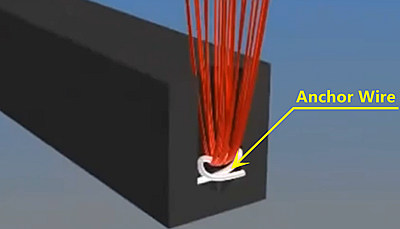
A Single Band Strip Brush, also known as a metal channel strip brush, is made by inserting bristles into a U-shaped metal channel and locking them in place with a retaining wire. Common backing materials include galvanized steel and stainless steel, making this brush suitable for both indoor and outdoor applications.

One major advantage of the Single Band Brush is its flexibility in shape. It can be manufactured as a straight strip brush or bent into different forms such as spiral shapes, zigzag patterns, or circular brushes. Because of this flexibility, single band brushes are widely used for door and window sealing, conveyor sealing, and light-to-medium cleaning tasks.

In many cases, a Single Band Strip Brush is coiled into a spiral to form a Single Band Spiral Roller Brush, which is commonly used for rope cleaning, solar panel cleaning, and road sweeping. For applications where moderate speed and flexibility are required, the single band design is often the most economical and practical choice.

Single Band Strip Brush


What Is a Double Band Strip Brush


A Double Band Strip Brush is designed for heavier and more demanding applications. Unlike the single band design, this brush uses two interlocked metal bands—a toothed outer band and an inserted inner band—to firmly secure the bristles. This double-locking structure creates a much stronger and more stable brush body.

Because of its reinforced construction, the Double Band Brush is rarely used in straight form. Instead, it is most commonly wound onto a steel tube to form a Double Band Spiral Roller Brush. These roller brushes are designed to run at high rotational speeds and are widely used for industrial cleaning, deburring, polishing, and surface finishing.

Thanks to its strength and resistance to centrifugal force, a Double Band Strip Brush is the ideal solution when brushes must operate continuously under high speed and heavy load conditions.

Double Band Strip Brush


Key Differences Between Single Band and Double Band Strip Brushes

The main difference lies in strength and application.

A Single Band Strip Brush is more flexible, easier to shape, and better suited for sealing and light cleaning.

A Double Band Strip Brush offers superior holding strength, making it perfect for high-speed roller brush applications.

If your application requires a brush to rotate quickly, withstand strong forces, or handle aggressive cleaning, a Double Band Spiral Roller Brush is the better choice. For sealing gaps, guiding materials, or moderate cleaning, a Single Band Brush will usually meet your needs at a lower cost.


Which One Should You Choose


Choose a Single Band Strip Brush if you need:

  • Door or window sealing
  • Conveyor sealing
  • Flexible shapes and easy forming
  • Cost-effective solutions

Choose a Double Band Strip Brush if you need:

  • High-speed rotation
  • Heavy-duty cleaning or polishing
  • Long service life under tough conditions
  • Industrial roller brush applications

If you need help selecting the right Single Band Brush, Double Band Brush, or Double Band Spiral Roller Brush, feel free to ask us(bajie brush) for expert guidance.