Under the Internet ceramic deep processing machinery industry to strengthen the connotation of cultivation

The various economic models associated with the Internet have an impact on the traditional model, which also has a lot of attractive effects for the ceramic deep processing machinery industry, but under the Internet consumers are not so good before "deal", ceramic deep processing machinery needs to control skills, strengthen their own connotation cultivation to create a better brand image.


The O2O model has become a new direction for the development of ceramic deep processing machinery


Today, ceramic deep processing machinery industry in the continuous development at the same time is also following the needs of The Times to adjust the direction, when the Internet marketing model vigorously rise after many ceramic deep processing machinery industry big coffee attracted by its interests, but in the current ceramic deep processing machinery market, there are still a lot of limitations for enterprises to do e-commerce, Only by making online and offline conflict can enterprises win the market, ceramic deep processing machinery with the help of Internet marketing is in sight.


After the arrival of Internet marketing, for various reasons, online products of ceramic deep processing machinery will be similar to offline products, and online products need to have good solutions because of their channel particularity when the price is low below the line. Offline channels are the advantages of traditional enterprises, which many Internet brands do not have. Ceramic deep processing machinery should make good use of this advantage, let the offline channel as the experience store, graft the Internet O2O model on the traditional enterprise marketing model, and fully communicate with the offline channel to let O2O land.


Ceramic deep processing machinery into the Internet needs to master skills


Ceramic deep processing machinery industry insiders believe: "The success of an enterprise always has its development process, the success of a brand always has its profound connotation, and the hot purchase of a product always has its special advantages." It is obviously very difficult to fully show these corporate culture and product selling points offline, and the form of display is relatively simple, and Internet marketing can make up for these shortcomings. When consumers understand a brand online, they will be very patient. At this time, we must evolve the corporate culture, the connotation of the brand, and the advantages of the product in a meticulous and euphemistic way to arouse the resonance of consumers, so that consumers can buy and achieve the purpose of Internet marketing.


When ceramic deep processing machinery is doing Internet marketing, it is necessary to enlarge the entertainment, let consumers fully participate, and only interact with consumers can deepen the impression of the brand in the minds of consumers and increase the brand reputation. Second, in the Internet marketing communication, do not always spread the company's product culture, more consumers will be tired, but should tell consumers to care about the content every day, imperceptible brand implantation, moistening things silently, when consumers feel that the content of the enterprise is indispensable every day, brand marketing will be successful. With the ceramic deep processing machinery industry into the Internet marketing, this way is considered to be the future development of enterprises in the 21st century must go.


Although the Internet has shown great potential for development in the current era, for ceramic deep processing machinery, it is necessary to recognize the situation before development, identify development opportunities, and make plans after a deep understanding of the Internet model in order to achieve twice the result with half the effort in the future development.
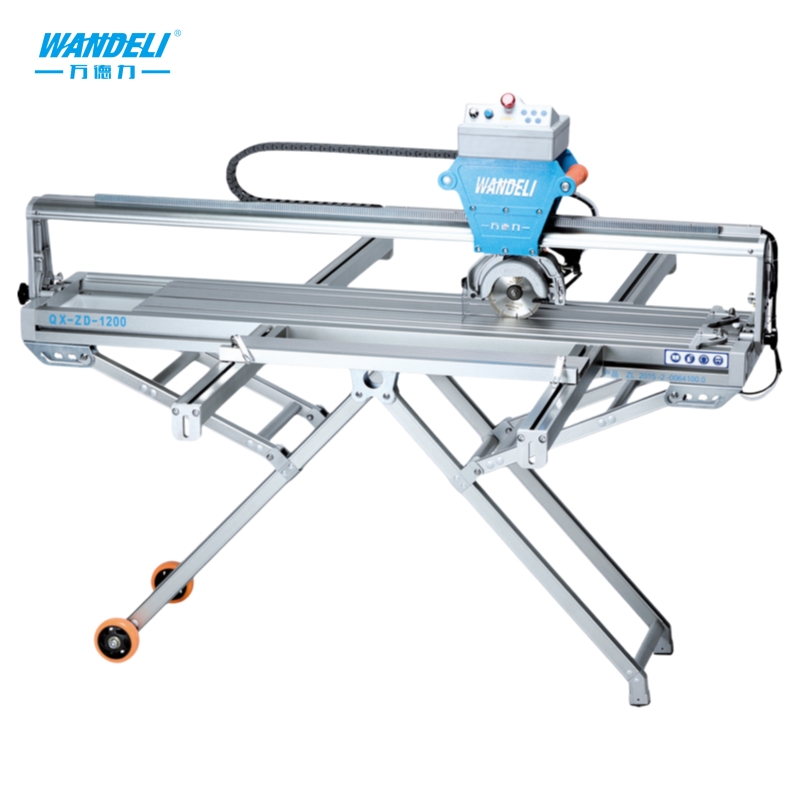
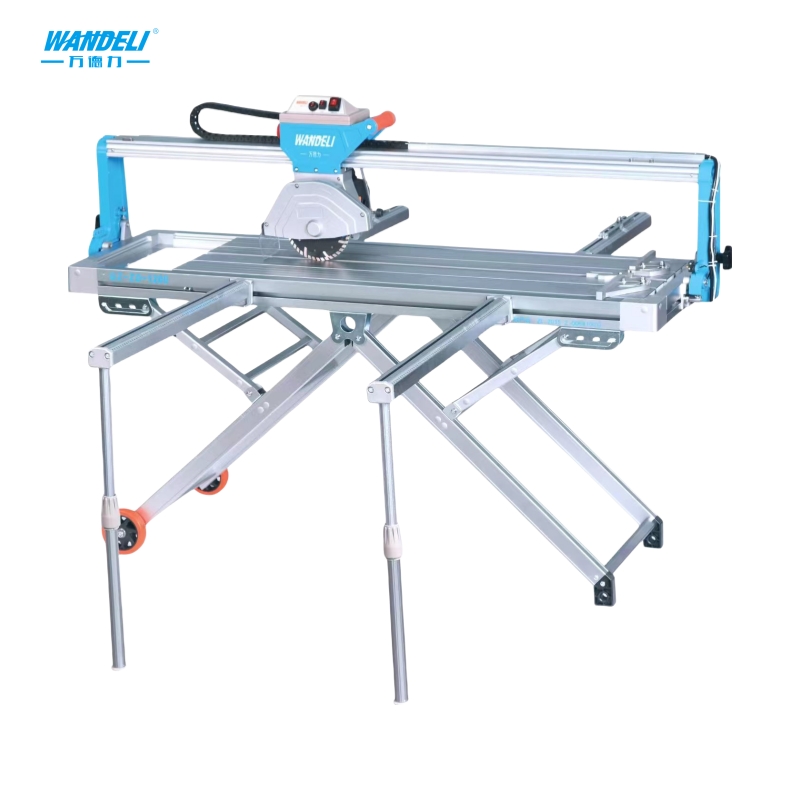
ceramic tile edge cutting machine portable 45ceramic tile cutting machine portable 45

Unleashing the Precision Journey into the World of Tile Cutting

Welcome to a captivating exploration into the realm of tile cutting!  Tiles are remarkable elements that add beauty and sophistication to our homes, and the key to achieving seamless installations lies in the hands of a tile cutter.  In this blog, we will delve into the art of tile cutting, uncovering the secrets behind this intricate craft and highlighting the role of a tile cutter in creating perfectly tailored tiles.


Chapter 1: The Birth of a Tile Cutter

The story begins with the inception of the tile cutter—a tool specifically designed to shape and cut tiles with precision.  We will take a step back in time to learn about the early tile cutting techniques, from crude methods involving basic handheld tools to the invention of simple tile scoring devices.  Witness the evolution of tile cutters as they grew more advanced, ultimately leading to the efficient tools we use today.


Chapter 2: Anatomy of a Tile Cutter

Delve into the intricate details of a tile cutter.  Explore the different types available, such as manual tile cutters, wet saws, and tile nippers.  Discover the components that make up these tools, including the scoring wheel, breaking mechanism, water cooling system (in wet saws), and adjustable fences.  Gain insights into how these elements work together to create clean and precise cuts on various types of tiles.


Chapter 3: The Art of Tile Cutting

Unleash your inner artist as we explore the art of tile cutting.  Understand the importance of accurate measurements, flawless planning, and careful marking before executing the cut.  Learn techniques such as straight cuts, diagonal cuts, curves, and intricate shapes.  Dive into the world of mosaic tiles and uncover the tile cutter's role in achieving stunning tessellated patterns.


Chapter 4: Mastering the Techniques

In this chapter, we will learn from experts in the field.  Marvel at the experienced hands of tile cutters as they demonstrate their techniques, sharing their tips and tricks for achieving impeccable cuts.  Discover the significance of proper tool maintenance, including wheel replacement, cleaning, and lubrication, to ensure consistent performance and longevity.


Chapter 5: Safety First!

Safety is paramount when working with tile cutters.  Explore the necessary precautions to take, such as wearing protective gear, handling tiles correctly, and using tools in designated areas.  Learn about the risks associated with different types of tile cutters and how to mitigate them effectively, ensuring a secure and accident-free cutting experience.


Chapter 6: Pushing the Boundaries

Tile cutting is an ever-evolving craft that allows for innovation and experimentation.  In this chapter, we will take a glimpse into the avant-garde projects that push the boundaries of traditional tile cutting.  From intricate mosaic murals to breathtaking tile sculptures, witness how artists and designers utilize the capabilities of modern tile cutters to create awe-inspiring works of art.


Conclusion:

As we conclude our immersive journey into the world of tile cutting, we hope you have gained a newfound appreciation for this often-overlooked craft.  The tile cutter, with its precision and versatility, serves as a catalyst for turning raw tiles into perfectly shaped pieces that fit seamlessly into our living spaces.  Whether you're a professional tile installer, a DIY enthusiast, or an art aficionado, understanding the art of tile cutting opens up countless possibilities for creating beautiful, enduring installations.  So, gear up, grab your tile cutter, and embark on your creative adventure!

1200mm tile cutterporcelain tile cutters for sale

What kind of stone needs to be renovated

Many people who do not understand stone renovation do not know what kind of stone and when it needs to be renovated. Here for you to explain, so that you have a full understanding of what kind of marble renovation.


1, a stone that needs to be refurbished


The stone has been used for a long time, because of normal friction damage, the gloss has dropped to the bottom; If it is renovated again or to enhance the image, then the original stone generally does not need to be replaced, but it is necessary to ask a professional company to carry out a professional renovation of the marble to ensure that the original stone is once again glowing with new luster.


2, the second kind of stone that needs to be renovated


When the decoration stone is all paved, there will be a SLATE gap, at this time, it is necessary to fill the gap with almost the same color as the stone.


After filling, it is necessary to polish and polish the filling agent. This is also a kind of stone renovation treatment.


3, the third kind of stone that needs to be renovated is


As we all know, in the decoration construction, a large number of decoration personnel need to move a lot of objects, such as lifting shelves, ladders, decoration personnel can not always pay attention to the protection of the stone surface, so sometimes cause wear, serious, will damage the stone, sometimes because of the different level of decoration company personnel, the stone decoration effect is not good, At this time, it is necessary to refurbish the misplaced and uneven stone once again.


stone tile cutting machine supplierstone tile cutting machine factory

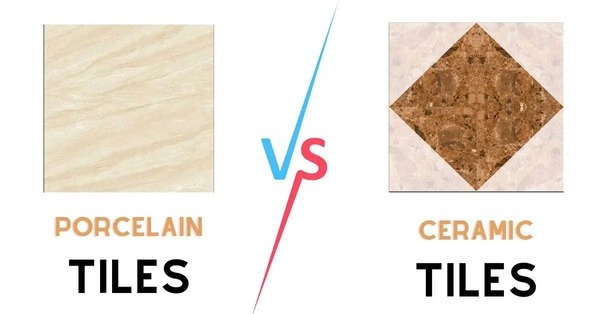
Which Is Better Porcelain or Ceramic Tile?


When planning a tile installation project, one of the most common questions professionals and DIYers ask is: "Which is better – porcelain or ceramic tile?" Both materials are popular in flooring and wall applications, but they have distinct differences in terms of durability, appearance, cost, and how they perform when used with electric tile cutting machines.

In this article, we’ll break down the key differences and help you decide which tile type is best for your next project.


1. Material Composition & Durability


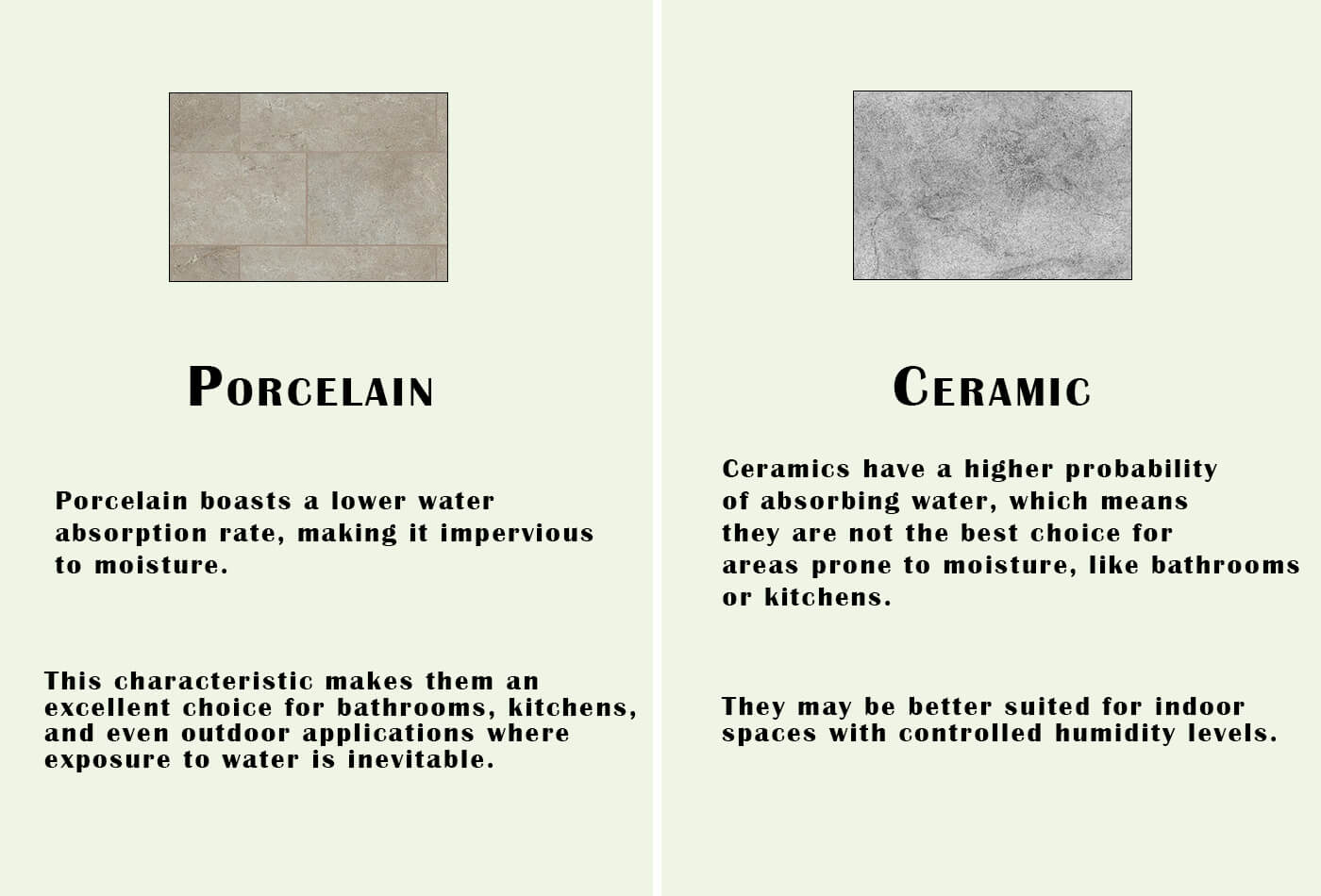
Porcelain tiles are made from finer, denser clay and fired at a higher temperature than ceramic tiles. This process makes porcelain harder, more durable, and more water-resistant, which is ideal for high-traffic areas, outdoor use, and wet environments like bathrooms and kitchens.

Ceramic tiles, while still strong and versatile, are slightly more porous and less dense, making them better suited for interior walls and light-use floors.


Tip: Due to its density, porcelain is tougher to cut. Using a professional electric tile cutting machine with a water-cooled blade ensures a clean, chip-free finish.


2. Appearance & Design Options


Ceramic tiles often come in a wider variety of colors, textures, and decorative patterns, thanks to the ease of applying glazes. Porcelain tiles are usually available in more neutral and natural stone-look finishes, offering a more sophisticated and modern aesthetic.

Both types can be precisely shaped using electric tile cutters, but porcelain may require a more powerful model with a brushless motor to handle the harder material effectively.


3. Cost Considerations


Generally, ceramic tiles are more affordable than porcelain, both in terms of material and installation costs. If you’re working within a budget and your project is for low-traffic, indoor areas, ceramic may be the better choice.

However, if you’re looking for long-term durability and water resistance, especially for floors or outdoor applications, porcelain may justify the higher price tag.


4. Ease of Cutting & Installation


Ceramic tiles are easier to cut and drill, making them a favorite for DIY installers. A standard electric tile cutter or manual tile cutting machine can handle ceramic without much resistance.

Porcelain, being harder and denser, requires a high-powered electric tile cutting machine, preferably with water-cooling and laser guidance to ensure precise, clean cuts without cracking the surface.


Tip: Investing in a quality automatic electric tile cutting machine is key when working with porcelain to reduce breakage and speed up installation.


5. Which Should You Choose?


  • Choose Porcelain if you need a tile that’s highly durable, water-resistant, and suitable for heavy-use or outdoor areas.

  • Choose Ceramic if you want an affordable, stylish option for indoor walls or low-traffic floors, and if ease of cutting is important.


Final Thoughts


The right tile depends on your project’s specific needs. No matter which you choose, using the right electric tile cutting machine will make a big difference in the speed, safety, and precision of your installation. For professional results, especially with porcelain, opt for a wet-cut electric tile saw with a powerful motor and stable guide rails.


Why Choose Wandeli's 4500W Electric Tile Cutting Machine for Porcelain and Ceramic Tile Projects?


When working with hard materials like porcelain or large-format ceramic tiles, precision and power are everything. As discussed in our earlier article comparing porcelain and ceramic tiles, porcelain is denser and more durable — but also more challenging to cut. That’s where the Wandeli Electric Tile Cutting Machine with its powerful 4500W brushless motor makes all the difference.

Whether you're a professional tile installer, contractor, or renovation specialist, this high-performance machine is designed to give you clean, accurate cuts every time — even through the toughest porcelain panels.


Built for Power and Performance


The 4500W brushless motor featured in Wandeli’s advanced electric tile cutting machine provides unmatched cutting strength and consistency. Brushless technology not only delivers more torque and efficiency, but it also results in lower maintenance, longer motor life, and quieter operation.

This level of power is essential when cutting dense porcelain tiles, porcelain slabs, or ceramic boards — especially when precision edges are required for tight installations or luxury finishes.


Clean Cuts with Wet-Cutting Technology


Dust control and blade cooling are crucial when working with tile. Wandeli’s machines are equipped with a wet-cutting system, using water to suppress dust and reduce friction on the blade. This not only keeps the workspace cleaner and safer but also extends the blade’s lifespan — an essential feature for long-term use in professional environments.

Many models also include integrated water recycling systems, enhancing environmental efficiency and reducing water waste on the job site.


Ideal for Porcelain, Ceramic, and Large-Format Panels


Unlike many standard cutters that struggle with oversized or ultra-hard materials, Wandeli’s 4500W brushless motor tile cutter is designed specifically for the most demanding applications. It handles:

  • Porcelain panels and slabs

  • Ceramic floor and wall tiles

  • Vitrified tiles

  • Marble and stone-look tiles

Combined with a laser guide and adjustable cutting depth, this machine ensures ultra-precise results on every cut.


Professional Efficiency and Easy Operation


Wandeli cutting machines are known for their intuitive controls, stable rails, and smooth operation — ideal for professionals who value both speed and precision. The 4500W unit offers effortless, high-speed cutting without compromising accuracy.

With fast setup times, low blade vibration, and a rigid frame structure, Wandeli machines are a smart investment for any tile business looking to increase output and quality.


Why Professionals Prefer Wandeli


For serious tile work, especially when cutting porcelain, professionals trust the Wandeli electric tile cutter for its:

  • 4500W brushless motor power

  • Clean and accurate wet cuts

  • Durability and minimal maintenance

  • Compatibility with a wide range of tile materials

  • User-friendly and portable design

Whether you're working on a home remodel, a commercial build, or custom tile installations, Wandeli delivers consistent performance that meets the highest standards in tile cutting.


Conclusion


If you're searching for a powerful, precise, and reliable electric tile cutting machine, the Wandeli 4500W brushless model stands out as a top choice. With its unmatched cutting capability, efficient wet system, and professional-grade design, it's the ideal tool for tackling both porcelain and ceramic tile projects with confidence.


Angelon Redefines Nut Sorting Standards with AI Innovation at the 17th China Nut & Snack Food Expo

Angelon Redefines Nut Sorting Standards with AI Innovation at the 17th China Nut & Snack Food Expo


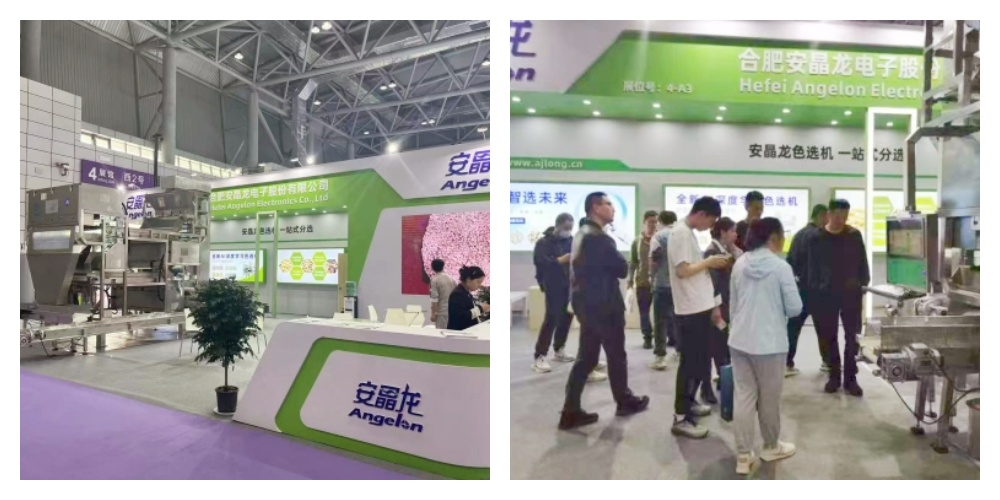
Angelon marked a milestone at the 17th China Nut and Snack Food Expo (Hefei, April 18-20, 2024) with the debut of our revolutionary AI-Driven Nut Sorting Machine, attracting over 2,800 industry leaders and setting new benchmarks for precision automation in the global snack sector.


Expo Breakthroughs

AI Sorting Technology Premiere

The star exhibit – Angelon AISORT-T-Series – demonstrated 99.7% defect detection accuracy through real-time spectral imaging and machine learning algorithms. Visitors witnessed its ability to process 8 tons/hour of mixed nuts while removing shells, discolored kernels, and foreign materials with surgical precision.


Tangible Efficiency Gains

Comparative data revealed:

  • 40% reduction in manual sorting labor costs

  • 50% faster than traditional optical sorters

  • 0.02% error rate in nut size classification


Sustainability Impact

The system’s self-optimizing energy mode reduced power consumption by 25%, aligning with China’s green manufacturing initiatives.


On-Site Achievements

  • 127 targeted demos conducted for major processors from 18 countries

  • 36 pre-orders secured for Angelon AISORT-T-Series deployments in 2024-2025

  • 5 strategic MOUs signed with provincial agricultural cooperatives for AI-powered raw material screening

Nut Sorting Machine

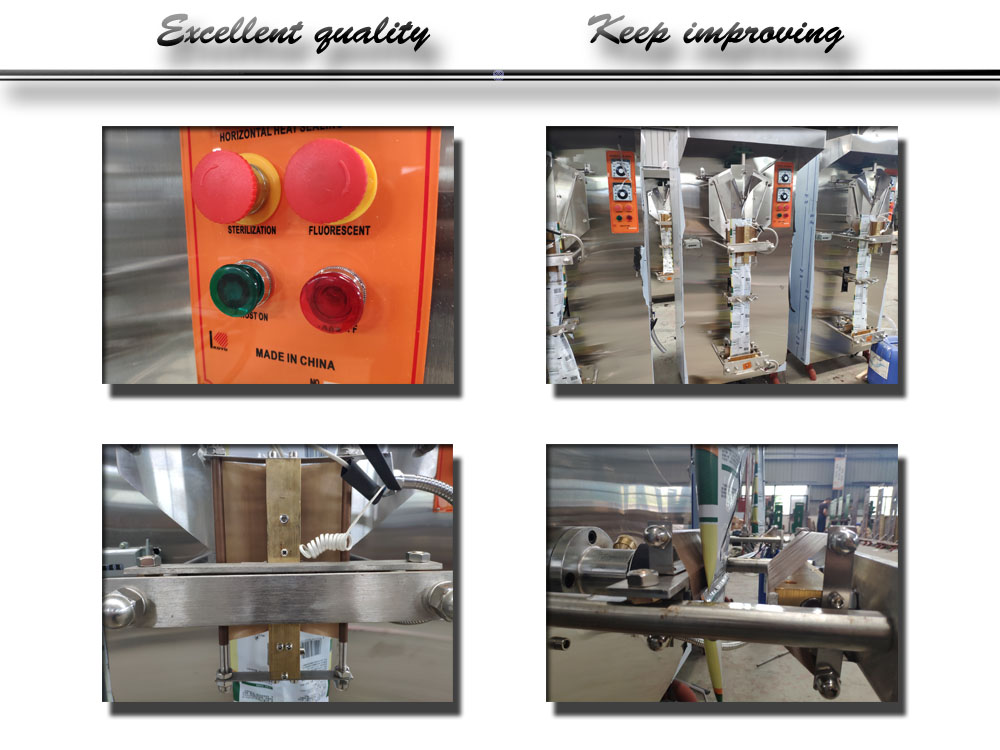
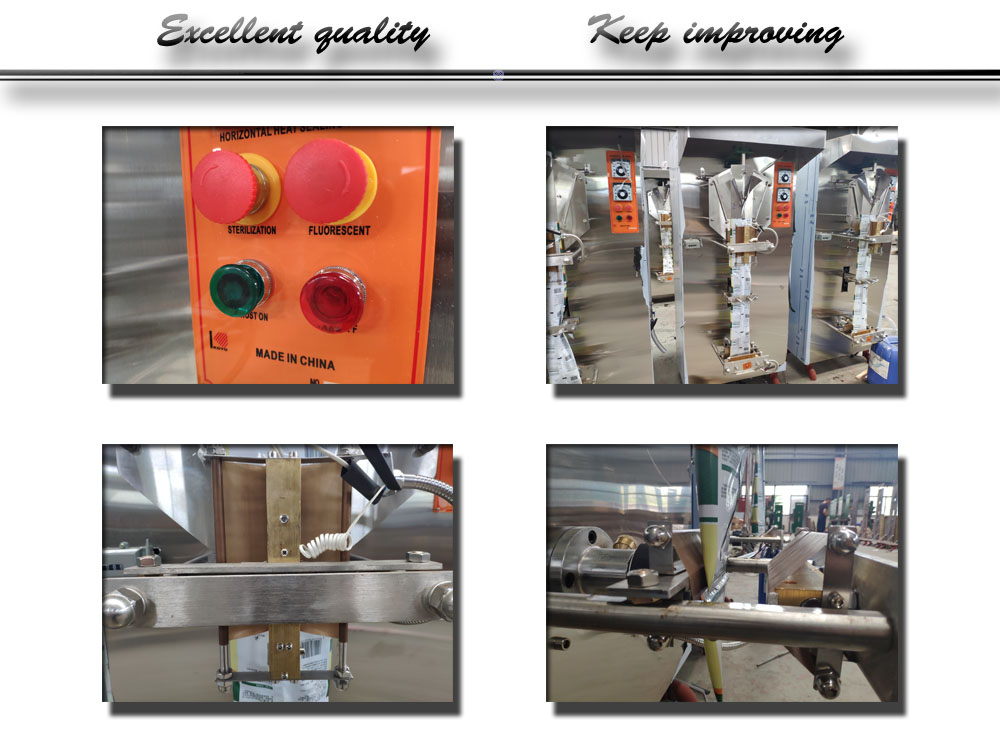
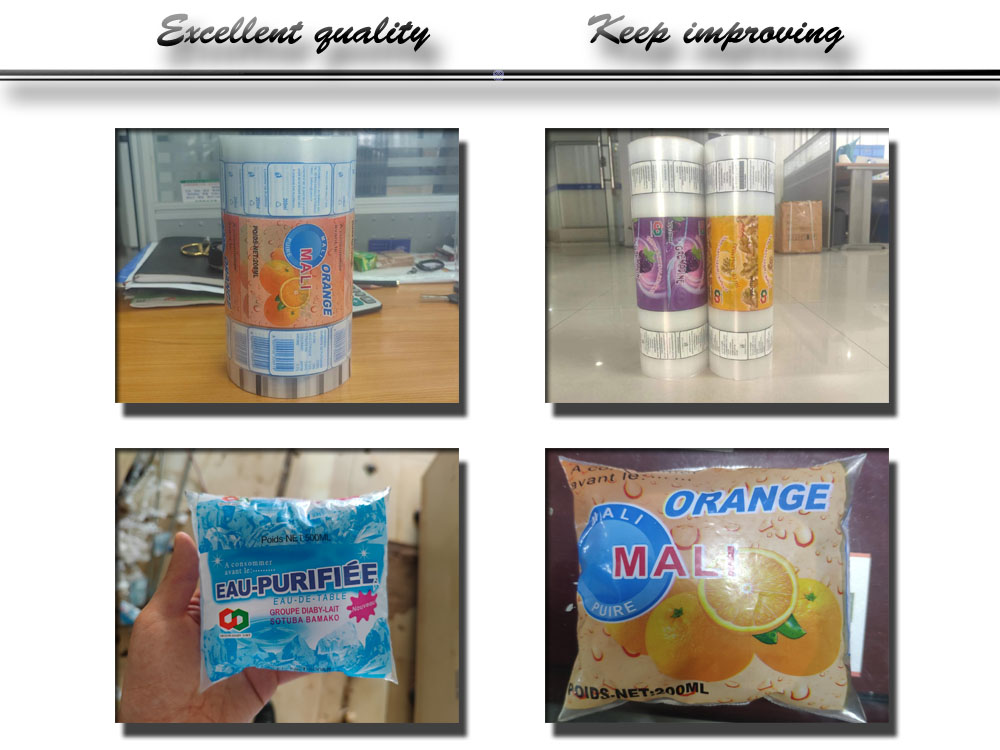
PE film roll bag water packaging machine operation and maintenance manual

In today's fast-paced production environment, PE film roll bag water packaging machine has become a powerful assistant for many companies to improve production efficiency and ensure product quality. The following will focus on the production process, operation manual and simple maintenance tips of this machine.

Equipment production process

Liquid filling: The liquid filling system of the PE film roll bag water packaging machine is a key part. Water or other liquid products can usually be injected into the PE film roll bag by gravity drop or pumping.

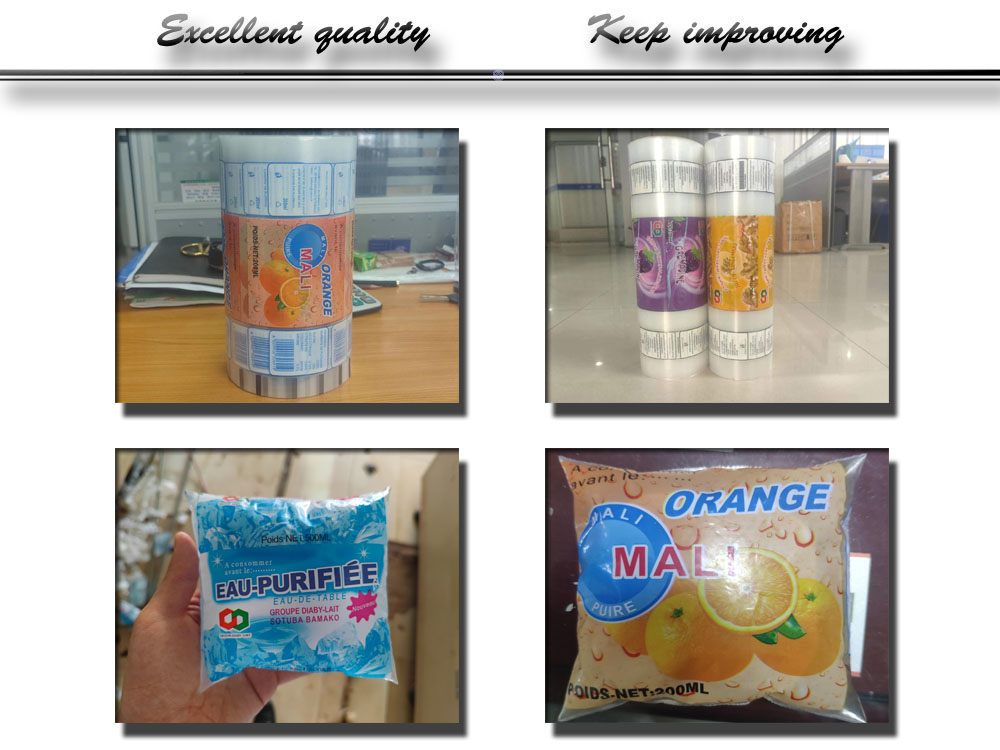
PE film roll supply: juice packaging machine is equipped with a special PE film roll supply device. The PE film roll material is placed in rolls. During the transmission process, the system will maintain a constant tension to avoid damage caused by excessive relaxation or tension of the film roll, ensuring that the film roll smoothly enters the bag making link, laying a good foundation for subsequent operations.

Bag making and sealing: When the PE film roll is delivered to the designated position, the bag making and sealing systems of the packaging machine begin to work together. First, the machine will cut the bottom of the roll film according to the preset size to form independent bag blanks. Then, the bag blank is turned into a three-dimensional bag through the middle seal. Then fill the liquid, and finally, use heat sealing technology to seal the bag mouth.

Operation Manual

Preparation before starting the machine: The operator needs to conduct a comprehensive inspection of the equipment, including whether all components are installed in place, whether the connection is firm, whether the power supply and air source are normal, etc. At the same time, according to the production plan, prepare the corresponding PE roll film materials and liquid products, and install the roll film correctly on the supply device to ensure that it can be unfolded smoothly. Check whether the parameter settings of the control system, such as filling volume, packaging speed, etc., meet the current production requirements, and make timely adjustments if there are deviations.

Start the equipment: After checking that everything is correct, press the start button and the packaging machine starts running. In the initial stage, the operator should closely observe the operating status of the equipment and pay attention to whether there are abnormal sounds, vibrations or liquid leakage. If there is any abnormality, the machine should be stopped immediately to investigate the cause, and production can only be continued after the fault is eliminated.

Maintenance Manual

Daily Cleaning: After each use, the dust, stains and residual liquid on the surface of the equipment should be cleaned in time. The surface and components of the machine can be wiped with a soft damp cloth. For some corners that are easy to hide dirt, such as the filling port and the sealing port, they should be cleaned carefully to prevent dirt accumulation from affecting the performance of the equipment and product quality.

Regular Lubrication: According to the requirements of the equipment manual, lubricate the rollers, gears and other parts of the conveyor belt regularly to reduce friction, reduce wear, and ensure the smoothness and reliability of the equipment operation. When lubricating, pay attention to the selection of suitable lubricants and add them according to the prescribed amount of oil to avoid excessive or insufficient oil.

Component Inspection and Replacement: Regularly check the wear of vulnerable parts, such as sealing rings, cutters, heat sealing components, etc. Once the parts are found to be worn, aged or damaged, they should be replaced in time to prevent the fault from expanding and affecting the production progress and product quality. .

Electrical System Maintenance: The electrical control system of the equipment should be inspected and maintained regularly. Check whether the wires and cables are damaged or aged, whether the terminals are loose, etc. Keep the inside of the electrical control cabinet clean to prevent dust and debris from entering and affecting the normal operation of electrical components.

The current situation and prospects of bagged water in Mali

In Mali, Africa, a water revolution is quietly taking place. Bag water, also known as "Eau-purifiée", is more than just a product; it meets one of the most basic human needs - clean drinking water. As the bag water market in Mali continues to grow, it is becoming increasingly clear that the Malian people are increasingly concerned about the safety of drinking water. In this blog, we will explore the reasons behind the booming bag water market in Mali and why its future prospects are so bright.

1. Growing consumer demand:

The demand for pure water in Mali has soared, and the demand for clean drinking water is growing not only in Mali, but also throughout Africa. Consumers are becoming more aware of the importance of safe drinking water to their health and are looking for convenient and affordable options. Bag water meets this need, providing a hygienic, portable way to replenish water that can be easily obtained even in remote areas.

2. Health and hygiene awareness:

As the education level of the Malian people continues to improve, more and more people are aware that polluted water can cause irreparable damage to their health. As a result, people are turning to clean drinking water, and bagged drinking water is very popular in Mali because it is considered safer drinking water. This has led to a surge in demand for bagged water, especially in urban areas where health awareness is growing.

3. Climate Change and Water Scarcity:

Mali is facing the harsh reality of climate change, which has led to water shortages in the country, and bagged water is essential to ensure that consumers have access to clean drinking water even in times of drought. This makes bagged water a necessity in the country.

4. Economic Growth and Urbanization:

As Mali's economy grows and urbanization progresses, the middle class continues to grow, and their demand for convenience and personal health is also growing. Bagged water meets these needs. It is not only safe, but also easy to transport and store.

5. Technological Advances:

Bagged water benefits from advances in equipment technology, which has improved production efficiency and reduced costs. Breakthroughs in packaging machinery and water treatment technology have improved the quality of bagged water, making it more attractive to consumers.

6. Support from the government and non-governmental organizations:

The Malian government also recognizes the importance of bagged water to health. They provide support by encouraging local water plants to produce clean bagged water in large quantities.

7. Market innovation:

Businesses in the bagged water industry need to meet the needs of consumers. This includes providing flavored water, water rich in essential minerals, and even increasingly popular bagged water for cooking.

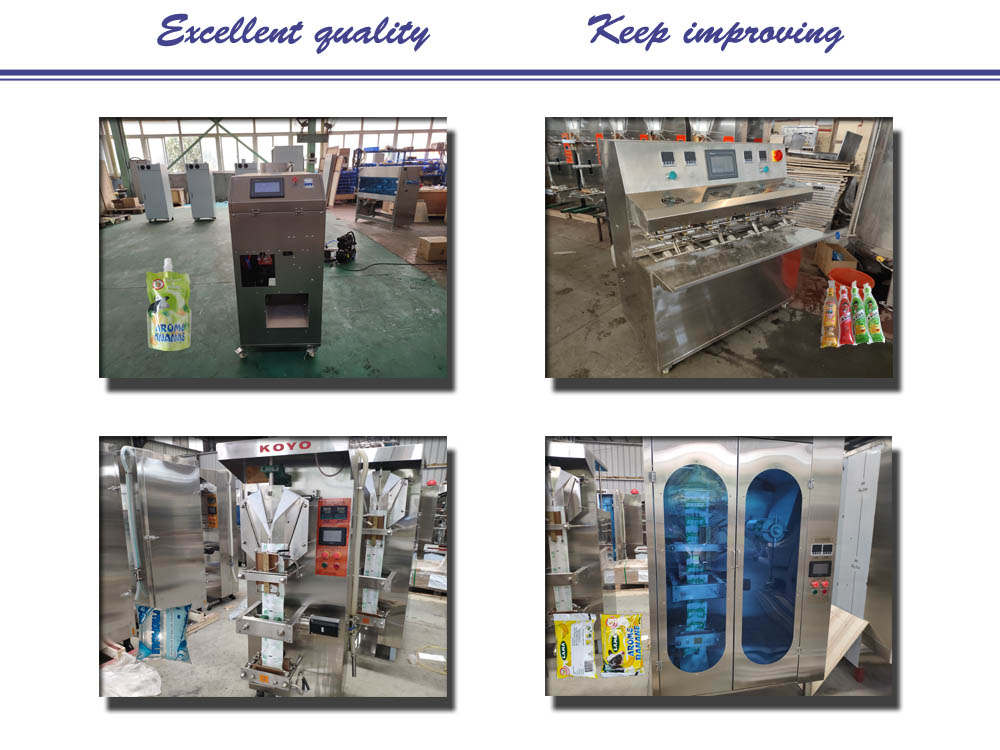
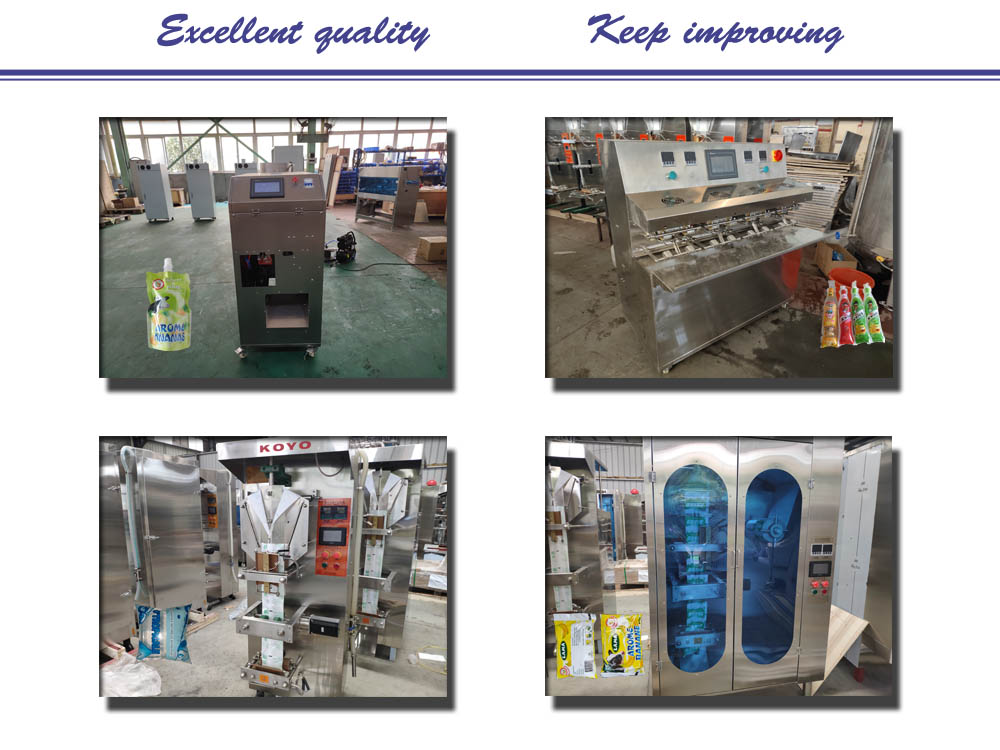
Due to climate change and water shortages in Mali, coupled with the country's economic growth, consumers' demand for healthy diets continues to grow. This is also accompanied by a continued increase in demand for packaging equipment. The three machines developed by our company, sachet water making machine, water packaging machine, and koyo water sachet machine, are very popular in the African market. With the growing demand for clean and convenient drinking water, Mali's bagged water market has also ushered in development opportunities. And the bagged water equipment industry has also ushered in rapid development. The prospects for Mali's packaged water are not only promising, but with the support and continued investment of the government and local companies, Mali's packaged water market will become a model for other African countries facing similar water shortages.

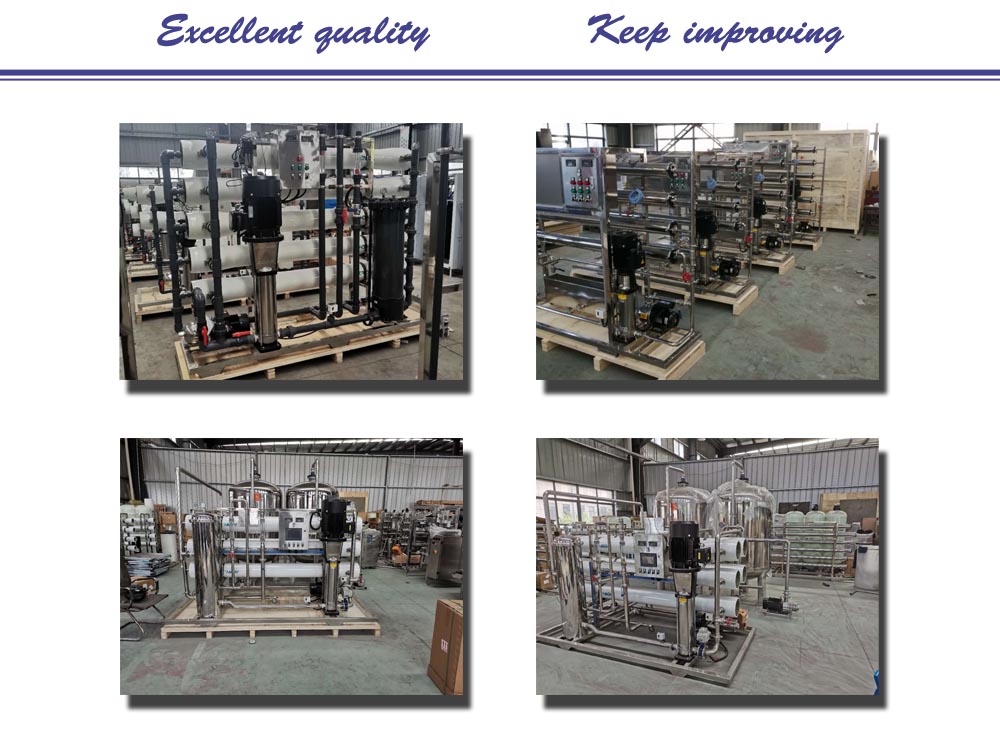
Water treatment system maintenance tips

The industrial revolution has led to serious pollution of natural freshwater resources around the world, and water treatment machinery has become an indispensable link in providing clean and safe drinking water. These systems play a vital role in converting wastewater into drinking water, ensuring that people have access to healthy and pure drinking water. Given the importance of water treatment equipment in our daily lives, proper maintenance is essential to ensure its optimal performance and lifespan.

Regular cleaning and inspection

Regular cleaning of water treatment equipment is key to its efficient operation. Over time, contaminants and impurities can accumulate within the membrane, leading to reduced production efficiency and potential failure. It is recommended to develop a regular cleaning schedule. This may include disassembling certain components and using suitable cleaning agents to remove any scale buildup. In addition, inspecting the equipment for signs of wear, such as leaks or corrosion, can help prevent major problems. Prompt replacement of damaged parts will ensure the integrity of the entire water treatment process.

Water quality monitoring

Regular monitoring and testing of treated water quality is another important aspect of maintaining water treatment equipment. By regularly analyzing the output water, you can quickly identify any deviations from the expected water quality standards and take corrective measures in a timely manner. This not only ensures that the water is safe to drink, but also helps adjust the equipment settings for optimal performance.

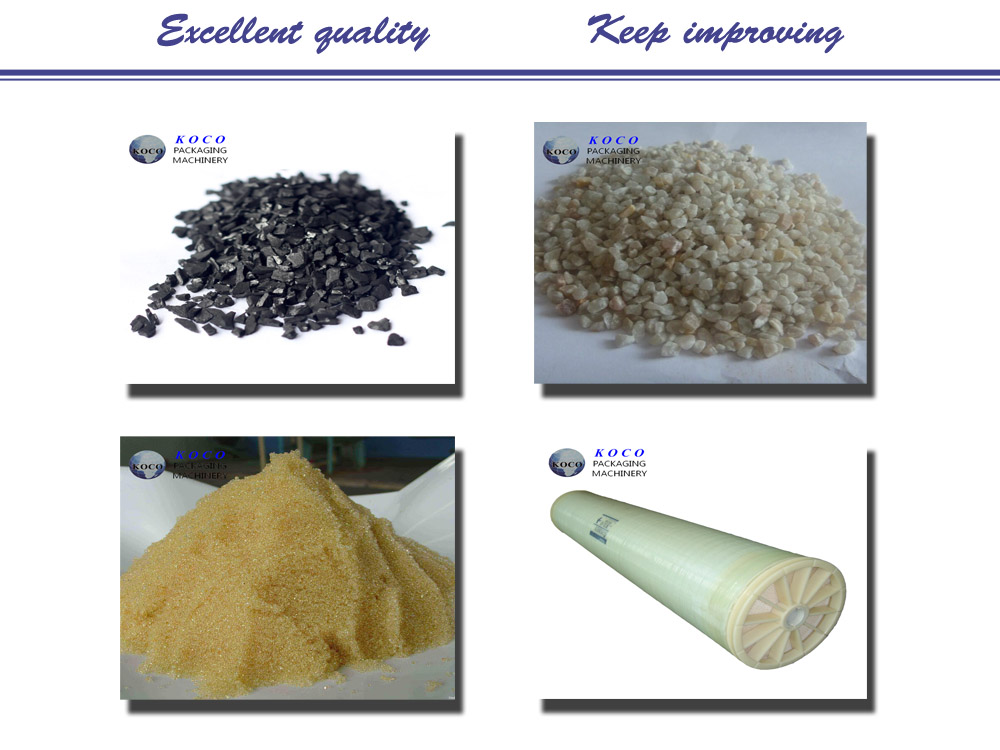
Water treatment equipment relies on activated carbon, quartz sand, resin, PP cotton membrane and reverse osmosis membrane to remove impurities from water. These materials have a limited lifespan and need to be replaced regularly. Monitoring water quality can help you determine when these filter materials have failed and need to be replaced.

Maintenance of reverse osmosis water system

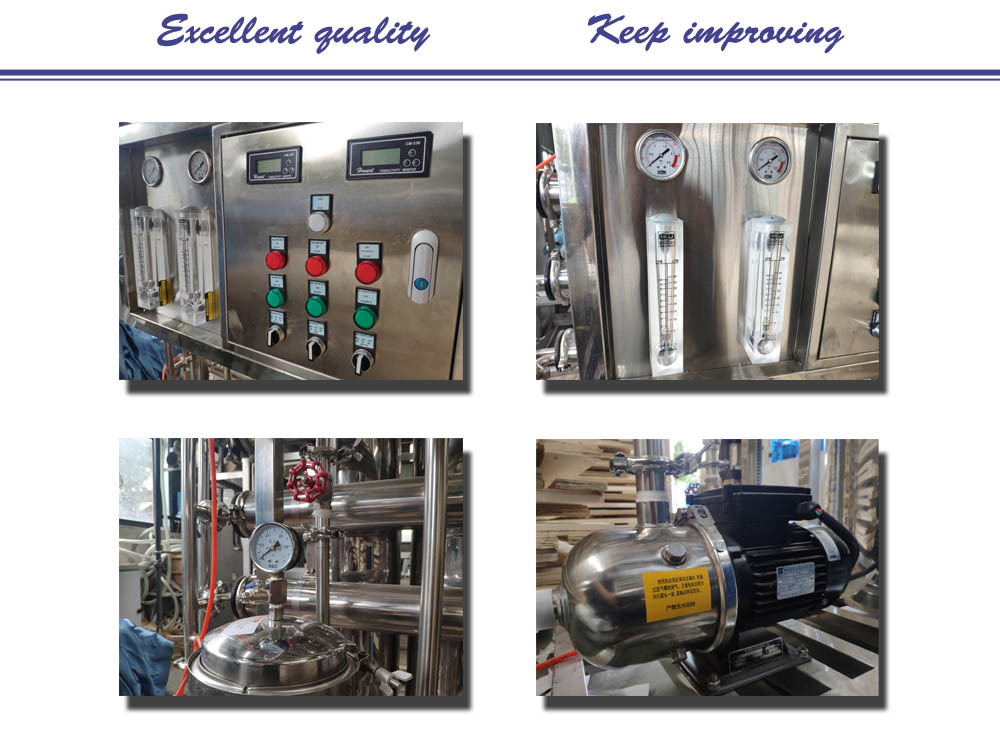
Reverse osmosis membranes are key components in many water treatment units and require special attention. Reverse osmosis membranes are prone to scaling and harboring microorganisms, which can seriously affect their performance. To extend the life of these membranes, it is critical to monitor the influent water quality and ensure that all pretreatment processes (activated carbon, quartz sand, resin filtration and PP cotton membrane filtration) are operating properly.Implementing a proper chemical dosing program to control scaling and microbial growth is also helpful. In addition, maintaining the correct operating pressure and flow rate helps prevent the membrane from being overstressed and ensures the continuous production of high-quality treated water. Regularly checking the pressure gauges and flow meters of the reverse osmosis system can help you detect any performance anomalies so that adjustments and maintenance can be made in a timely manner.

Preventive maintenance measures

Preventive maintenance is the key to avoiding unexpected downtime and expensive repairs. This includes scheduling regular maintenance checks by qualified technicians who can assess the condition of your water treatment equipment and identify potential problems before they become serious. During these checks, technicians can check electrical systems, test safety devices, and ensure that all components are operating as intended.Another important preventive measure is to keep proper records of all maintenance activities. These records should contain details of inspections, cleaning procedures, parts replacements, and any repairs that have been performed. Having this information at hand can help you track the maintenance history of your equipment and make informed decisions about future maintenance needs. It also provides valuable data for troubleshooting and is very useful when seeking warranty claims or manufacturer technical support.

All in all, with proper care, your water ro system can continue to be an indispensable tool in providing clean drinking water. By following these maintenance tips and keeping a close eye on the condition and performance of your water treatment equipment and reverse osmosis system, you can provide a healthier and more sustainable water supply for yourself and your community.

How to Know the ISO 11641 Colour Fastness to Perspiration for Your Projects

How to Know the ISO 11641 Colour Fastness to Perspiration for Your Projects

There are millions of effective sweat glands on human skin, with more sweating on the forehead, armpits, forehead, back and palms of the hands; therefore, garments such as shirts, T-shirts and other clothing often worn in summer will show serious color fading in these areas.

Clothing with unqualified color fastness is prone to transferring dyes from textiles to human skin through sweat, etc. The molecules of dyes and heavy metal ions may be absorbed by the human body through the skin and jeopardize health.

The color fastness to perspiration is to reflect the textiles in different test solutions containing histidine, under the joint action of pressure and temperature, its own discoloration and color staining of the lining fabric.


Definition of Color Fastness to Perspiration

Color fastness to perspiration refers to the degree of color retention of textiles in perspiration, which is particularly important for clothing products. In the course of daily use, textiles are kept close to the skin for long periods of time, and at the same time come into contact with the sweat secreted by the skin, which has a great effect on certain dyes, causing them to be transferred from the textile to the skin. Some dyestuffs on textiles are not acid-resistant and some are not alkaline-resistant, so the testing process requires the preparation of acid and alkaline artificial sweat to simulate human acid and alkaline sweat respectively, and to simulate human body temperature at 37℃ to test the textiles, which is mainly used for textiles in contact with the skin.

How to Determine the Color Fastness to Perspiration

1.Use professional testing equipment


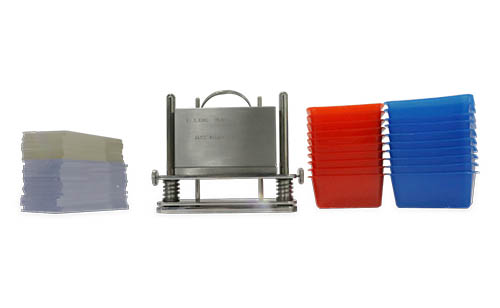
1.1 Perspiration Tester GT-D09
Perspiration Tester GT-D09 apply for testing perspiration resistance color fastness of all kinds of textile materials & dyeing, colorful textile and test for their perspiration resistance, waterproof, seawater resistance, saliva resistance, chlorine bleach resistance, etamsylate resistance and other performance.

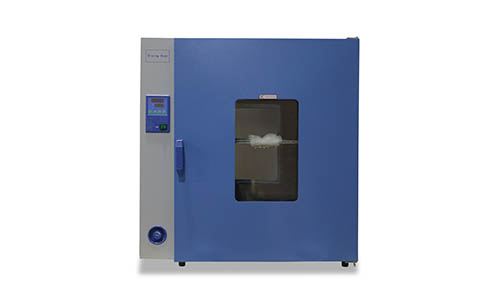
1.2 Drying Oven for Fabric Testing GT-D10
This Drying Oven is design for all kinds of textile’s perspiration resistance color fastness drying test, matching GT-D09 Perspiration Tester using. It also apply for high temperature heating & drying test for other products.

2. Related Standards


2.1 Perspiration Tester GT-D09 Standards
  • Perspiration: GB/ T 3922, AATCC 15, ISO105-E04, JIS L 0848, ISO 11641
  • Sea Water: GB/ T5714, ISO105-E02, AATCC107
  • Water: GB/ T5713, ISO105 E01, AATCC106
  • Saliva: GB/ T 18886

2.2 Drying Oven for Fabric Testing GT-D10
  • Perspiration: GB/ T 3922,  AATCC 15, ISO105-E04, JIS L 0848
  • Sea Water: GB/ T5714, ISO105-E02, AATCC107
  • Water: GB/ T5713, ISO105 E01, AATCC106
  • Saliva: GB/ T 18886


Perspiration Tester GT-D09
Drying Oven for Fabric Testing GT-D10


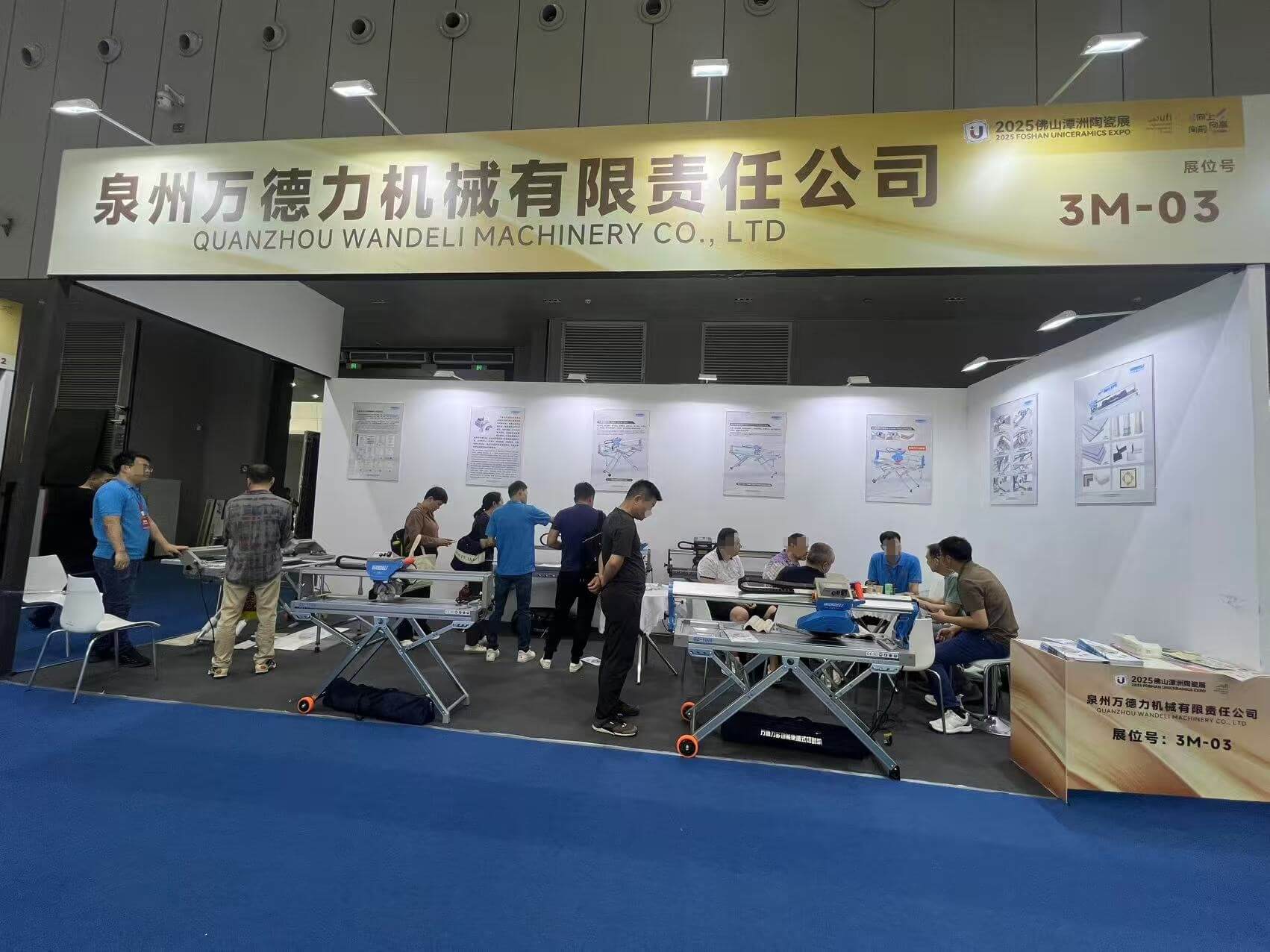
2025 Foshan Uniceramics Expo with Cutting-Edge Tile Cutting Solutions‌


Quanzhou Wandeli Machinery Co., Ltd., a leading innovator in ceramic processing equipment, made a remarkable impression at the 2025 Foshan Uniceramics Expo, showcasing its advanced tile cutting machines designed to meet the evolving demands of the global ceramics industry. The event, held in the heart of China’s ceramic manufacturing hub, provided the perfect platform for the company to highlight its technological prowess and customer-centric solutions.


Flagship Products on Display‌

At the expo, Wandeli Machinery unveiled a comprehensive range of tile cutting machines, blending automation, precision, and durability:


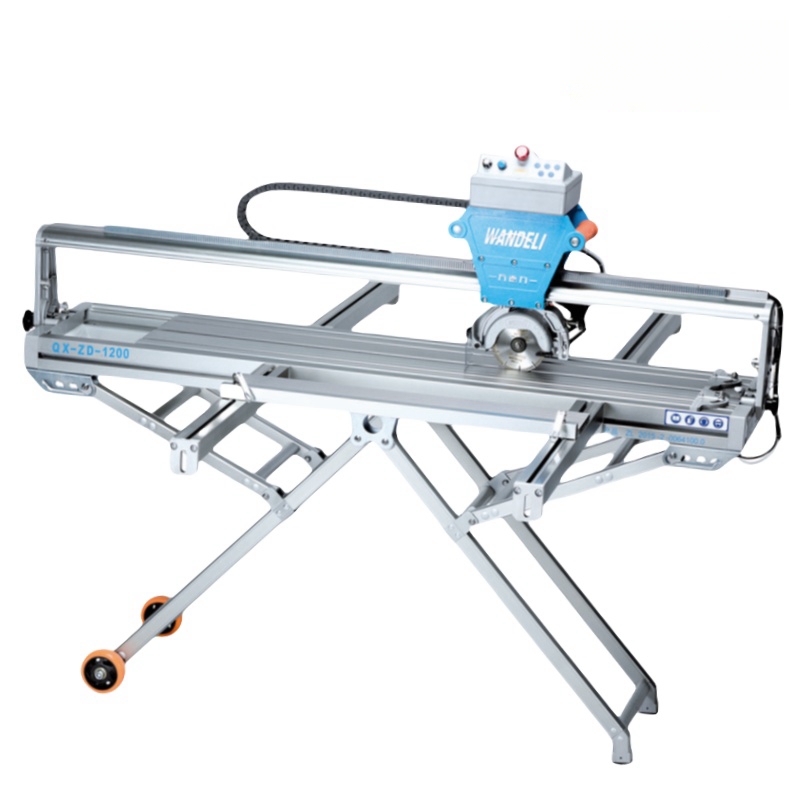
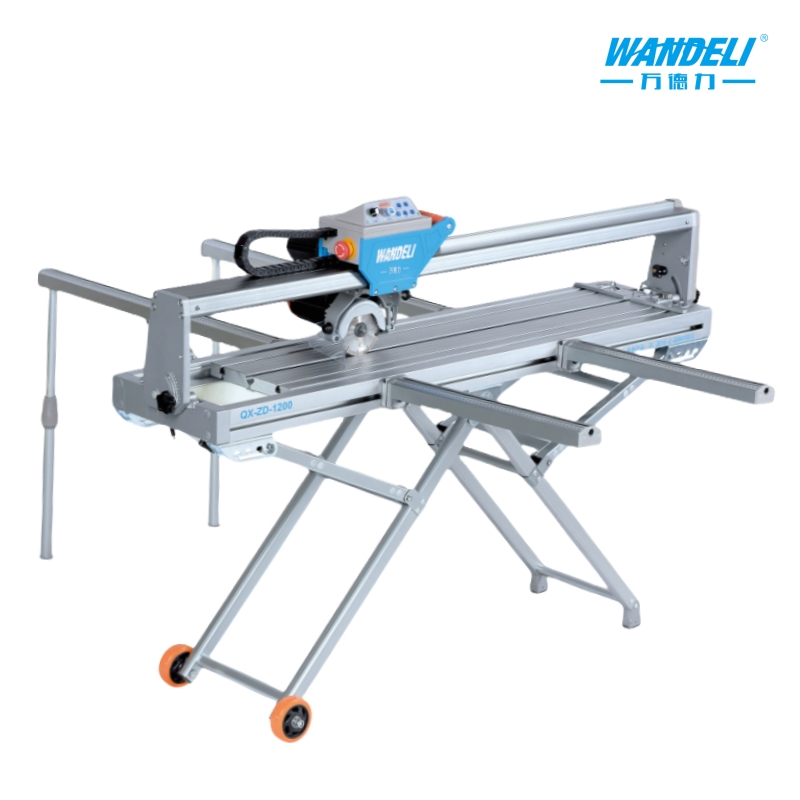
1. QX-ZD-1200 Fully Automatic Tile Cutting Machine‌

4500W Brushless Motor‌: Delivers unmatched power and efficiency.

Precision Cutting‌: Straight 90° cuts up to 3cm and 45° beveling up to 2.5cm.

Versatility‌: Ideal for large-scale production of ceramic tiles and engineered stone.


2. QX-1000 Manual Tile Cutting Machine‌

1550W Brushed Motor‌: Cost-effective yet reliable for small workshops.

Consistent Performance‌: Achieves 90° straight cuts (3cm) and 45° bevels (2.5cm).


3. QXZ-ZD-1800 Fully Automatic Cutting Machine‌

4500W Brushless Motor + Laser Guidance‌: Enhances cutting accuracy for complex designs.

Water Circulation System‌: Minimizes dust and extends blade life.

Specifications‌: 90° straight cuts (3cm) and 45° bevels (2.5cm).


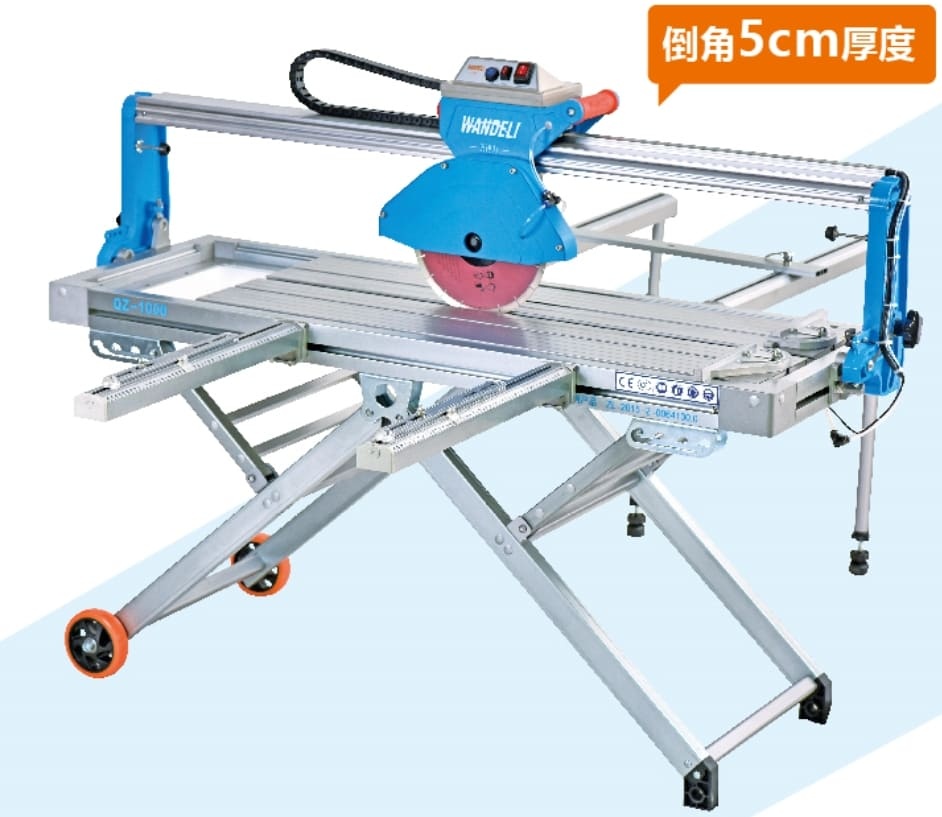
4. QZ-1000 Manual Roman Column Tile Cutter‌


3000W Brushless Motor‌: Tailored for exterior wall tiles and decorative Roman columns.

Heavy-Duty Cutting‌: Handles 90° straight cuts up to 7cm and 45° bevels up to 5cm.

max size saw blade: 260 


5. Yiweida Fully Automatic Tile Cutting Machine‌

3000W Brushless Motor‌: Balances power and energy efficiency.

Compact Precision‌: Executes 90° straight cuts (3cm) and 45° bevels (2cm), perfect for intricate designs.

Live Customer Testing: A Testament to Quality‌


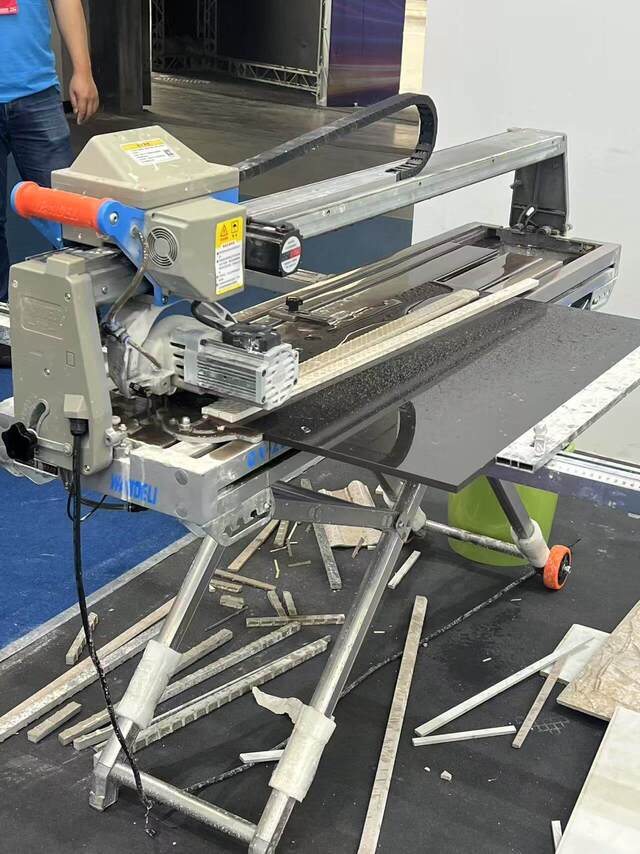
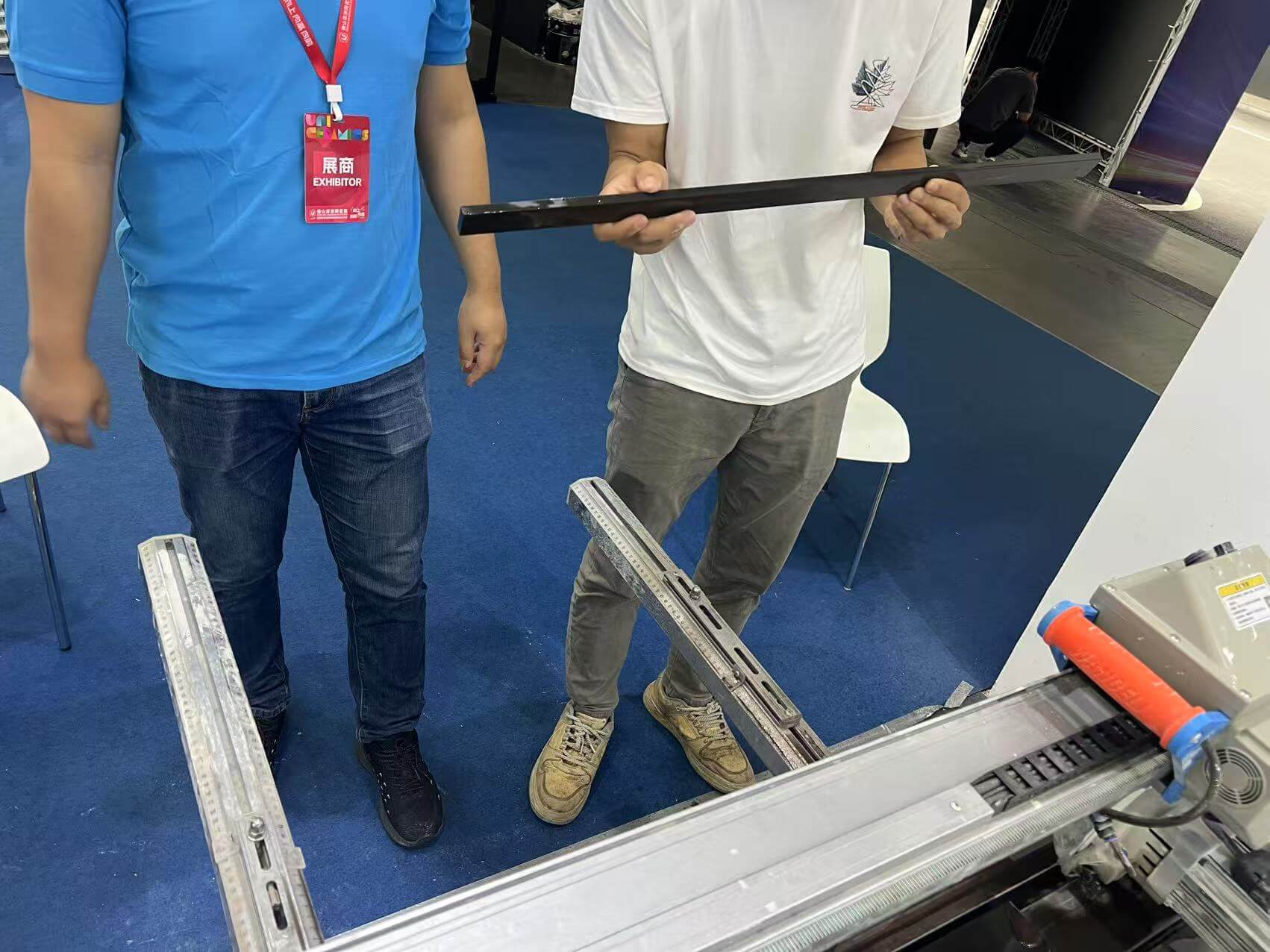
6. Visitor's Doubts got turned to Resolution     

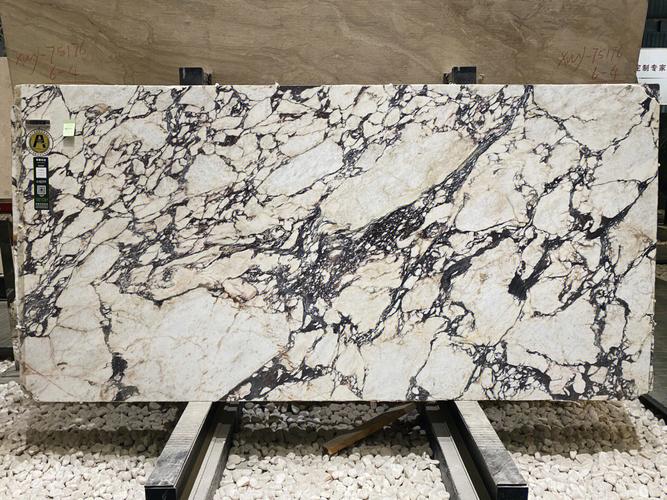
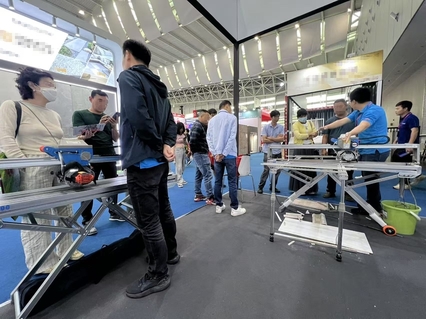
A highlight of the expo was the live demonstration of the ‌QX-ZD-1200‌, where clients brought their own engineered stone slabs to test the machine’s capabilities. Despite the material’s high density and complexity, the QX-ZD-1200 effortlessly achieved flawless 90° and 45° cuts, exceeding customer expectations. Attendees praised the machine’s stability, noise reduction, and seamless integration of high-power brushless motor technology.


Why Wandeli Machinery Stands Out‌?

  • Innovation‌: From laser-assisted alignment to eco-friendly water circulation systems, Wandeli Machinery prioritizes smart, sustainable solutions.
  • Customization‌: Machines cater to diverse needs, from industrial automation (QXZ-ZD-1800) to budget-friendly manual operations (QX-1000).
  • Reliability‌: The use of brushless motors ensures longevity, reduced maintenance, and consistent performance even under heavy workloads.


Looking Ahead‌

The positive feedback at Foshan Uniceramics Expo 2025 reinforces Wandeli Machinery’s commitment to driving industry advancements. “We are thrilled to see our machines deliver real-world results,” said a company spokesperson. “This expo has opened doors to new partnerships, and we’re excited to continue empowering ceramic manufacturers worldwide.”


Quanzhou Wonder Machinery Co., Ltd. – Precision Engineered for Excellence.